Top 5 Benefits of Fiber Laser Machines for Global Buyers?
The demand for **Fiber Laser Machines** has surged in various industries due to their precision and efficiency. According to a report by MarketsandMarkets, the fiber laser market is projected to reach $5.99 billion by 2025, growing at a CAGR of 8.9%. This growth highlights the increasing reliance on fiber laser technology in manufacturing processes.
These machines provide significant advantages over traditional laser technologies. They offer faster cutting speeds and improved energy efficiency, which can reduce operational costs. Additionally, fiber lasers are known for their minimal maintenance requirements, showcasing long-term reliability and lower downtime.
However, transitioning to a fiber laser system can pose challenges for some businesses. Initial costs may be a concern, and not all operators may be familiar with the technology. Understanding these potential drawbacks is essential for manufacturers considering such a shift. Exploring the benefits of **Fiber Laser Machines** can guide buyers in making informed decisions that align with their operational goals.
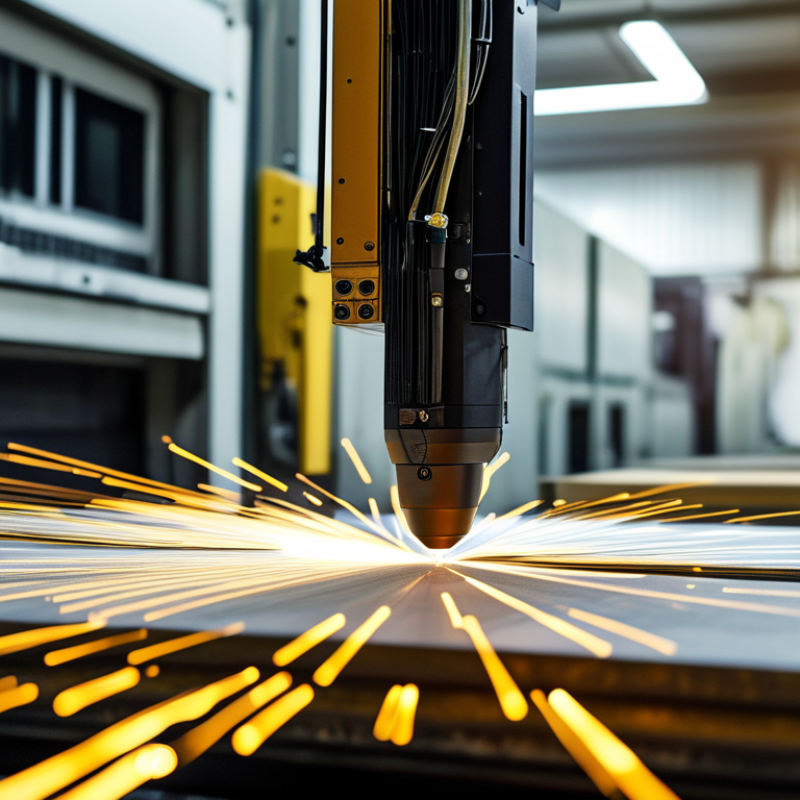
Advantages of Fiber Laser Machines in Precision Cutting Applications
Fiber laser machines have revolutionized precision cutting applications, offering numerous advantages. Their ability to produce clean and accurate cuts makes them ideal for various materials, including metals, plastics, and wood. The speed of these machines is impressive, often outperforming traditional cutting methods. This increase in efficiency translates to higher productivity rates for manufacturers, which is vital in today’s competitive market.
Another significant benefit is the reduced operational costs. Fiber lasers consume less power than their CO2 counterparts, leading to lower energy bills. Additionally, maintenance is minimal due to fewer moving parts, which means less downtime. However, there can be a learning curve for new users. Proper training is essential to maximize the machine's potential.
Moreover, fiber laser machines provide excellent flexibility in terms of design capabilities. They can handle intricate designs with ease, allowing for creative freedom in production. Still, challenges can arise with very thick materials where laser penetration may not be sufficient. Users must assess their specific applications to achieve optimal results. The balance between capabilities and limitations needs continuous reflection for improvement.
Enhanced Efficiency of Fiber Laser Machines in Industrial Operations
Fiber laser machines have revolutionized industrial operations, significantly enhancing efficiency. According to recent industry reports, these machines can achieve cutting speeds up to 100 inches per minute, a notable increase compared to traditional methods. This efficiency stems from the high precision laser beam and reduced material waste, leading to lower operational costs.
The versatility of fiber lasers is another key advantage. They can work on various materials, including metals, plastics, and composites. A study highlighted that switching to fiber laser technology reduced production times by an average of 20-30%. This adaptability allows businesses to respond quickly to market demands. However, some companies still struggle with the initial investment costs.
Training and maintenance are crucial for maximizing the benefits of fiber lasers. Skilled operators can harness the full potential of these machines. Inadequate training often results in underutilization of features. Moreover, while maintenance requirements are lower than traditional lasers, overlooking regular checks can lead to downtime. Businesses must balance costs with the need for expertise and proper care.
Cost-Effectiveness of Fiber Laser Technology for Global Enterprises
Fiber laser technology is making waves in the manufacturing sector. It offers impressive cost-effectiveness for global enterprises. One primary advantage is reduced operating costs. Unlike traditional laser systems, fiber lasers use less energy. This efficiency translates into savings over time. Additionally, they require minimal maintenance, which is a significant benefit for businesses.
Another crucial aspect is the speed of operation. Fiber lasers can cut and engrave materials quickly and precisely. This efficiency means shorter production times and increased output. Companies can respond faster to market demands, gaining a competitive edge. However, some enterprises may need to invest in training for employees to handle this advanced technology effectively.
Moreover, fiber lasers produce less waste compared to older technologies. This feature not only lowers material costs but also aligns with sustainability goals. Adopting fiber laser machines can enhance profitability while promoting eco-friendly practices. Companies considering this shift need to weigh these benefits against initial investment costs. Understanding the long-term advantages is vital for making informed decisions.
Versatility of Fiber Laser Machines in Various Material Processing
Fiber laser machines showcase remarkable versatility in material processing. These machines can handle an array of materials, including metals, plastics, and composites. They excel in cutting, engraving, and marking tasks. This flexibility makes them ideal for various industries, from automotive to aerospace.
The precision of fiber lasers enhances operational efficiency. For instance, they produce finer cuts with minimal waste. However, users must understand the nuances of different materials. Some may warp or burn under certain settings. Experimentation is often necessary to achieve optimal results.
Another noteworthy benefit lies in their speed. Fiber lasers operate faster than traditional methods. This can significantly reduce production time. Yet, operators should regularly assess their settings. Constant adjustments may be required to maintain quality while maximizing speed. This delicate balance is crucial for long-term success.
Sustainability and Environmental Benefits of Fiber Laser Machines
Fiber laser machines offer significant sustainability benefits that resonate with global buyers. One of the most compelling advantages is their energy efficiency. Reports indicate that fiber lasers use up to 50% less energy than traditional laser systems. This efficiency translates into lower operational costs and a smaller carbon footprint. Companies adopting fiber lasers can contribute to reducing greenhouse gas emissions in the manufacturing sector.
Another vital benefit is the reduction of waste material. Fiber laser machines deliver precise cuts, minimizing excess scrap. Data from industry studies show that laser cutting can reduce material waste by up to 30%. This efficiency not only conserves resources but also reduces the need for additional raw materials, promoting a more sustainable manufacturing process.
Tip: When considering fiber laser machines, evaluate their energy consumption ratings. Lower energy usage can lead to significant savings in the long run. Additionally, choosing machines with automated features can further enhance efficiency, allowing for better resource management.
Although fiber lasers are efficient, there is still room for improvement. The production of these machines can involve significant energy and raw material use. Buyers should look for manufacturers that employ sustainable practices in the production process. Engaging with suppliers who value environmental responsibility can improve overall sustainability efforts in the supply chain.
Top 5 Benefits of Fiber Laser Machines for Global Buyers
| Benefit | Description | Environmental Impact | Sustainability Factor |
| Efficiency | Fiber lasers provide higher cutting speeds and precision compared to traditional lasers. | Reduces material waste during the cutting process. | Promotes sustainable manufacturing practices through waste minimization. |
| Lower Energy Consumption | Fiber lasers consume less power than other laser technologies. | Decreases overall carbon footprint of manufacturing processes. | Aligns with carbon neutrality goals for industries. |
| Durability | Fiber lasers have a longer lifespan and require less maintenance. | Reduces the need for replacement machines, minimizing landfill waste. | Enhances resource longevity, contributing to sustainable materials use. |
| Versatility | Able to cut various materials including metals and plastics. | Reduces the need for multiple machines, cutting down on overall energy use. | Supports diverse applications, enhancing resource efficiency. |
| Safety | Fiber lasers produce a less hazardous wavelength compared to CO2 lasers. | Reduces risk of accidents and related environmental impacts. | Promotes safe working environments, aligning with sustainable development goals. |


 House of Worship
 Transportation
 Trade shows led display
 retail
 Creative Led Solutions
 Hospitality
 Higher Education
 Corporate LED


