What Are the Benefits of Using LED Screens?
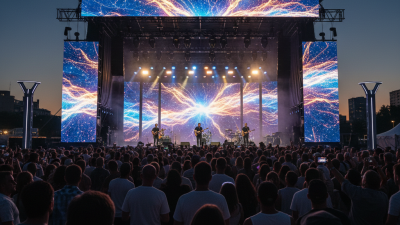
In today’s world, LED screens are becoming increasingly popular in various industries. According to industry expert John Smith, “LED screens are transforming visual communication.” This statement highlights how these displays change how we connect with audiences. From advertisements to concerts, LED screens capture attention with vibrant colors and clarity.
Many advantages come with using LED screens. They are energy-efficient compared to traditional displays. Additionally, their lifespan often exceeds that of regular screens. As Smith points out, "The longevity of LED screens means less frequent replacements." This feature can significantly reduce long-term costs for businesses, although initial investments may be higher.
However, challenges persist. The quality of some low-end LED screens may be disappointing. Moreover, improper installation can lead to issues like uneven brightness. It's essential for users to conduct thorough research before purchasing. Ultimately, while the benefits are substantial, a mindful approach is necessary when embracing LED technology.
Advantages of LED Screens Over Traditional Displays
LED screens have transformed the display industry. They offer several key advantages over traditional screens. One major benefit is energy efficiency. Studies indicate that LED displays use up to 90% less energy than older technologies. This is a significant factor for businesses looking to reduce costs.
Moreover, LED screens provide superior brightness and contrast. They can deliver vibrant colors and are easily viewable in various lighting conditions. According to a recent report, LED screens can achieve brightness levels of up to 10,000 nits. This is crucial for outdoor advertising and presentations. Yet, this incredible brightness can lead to oversaturation, making it occasionally hard to discern details in certain views.
LED screens also have a much longer lifespan. Traditional displays often require replacement every few years. In contrast, LED technology can last over 50,000 hours. However, they are not immune to challenges. Issues like color uniformity and pixel failures can arise. Addressing these concerns is essential for maintaining display quality. Organizations must consider these factors when investing in LED technology.
Energy Efficiency of LED Technology
LED technology has emerged as a popular choice for display solutions. One of its standout features is energy efficiency. Unlike traditional screens, LED screens consume significantly less power. This is especially important for businesses seeking to reduce their carbon footprint. Lower energy consumption leads to reduced electricity bills, making it a cost-effective option over time.
Using less energy is crucial for large installations. For example, billboards or video walls require constant power. By utilizing LED screens, operators can enjoy the visual impact while saving on energy costs. However, not all LED products are created equal. Some may underperform, resulting in higher operational costs. Overall, careful selection is important.
Moreover, LED screens have a longer lifespan than traditional options. This means fewer replacements and less waste. However, the initial investment can be higher. There’s a need to weigh short-term costs against long-term savings. Evaluating these factors can help in making a more informed choice regarding LED technology and its energy efficiency.
Enhanced Brightness and Visual Impact
LED screens are taking over our visual world. Their brightness is striking, making everything pop. A well-lit LED display draws attention. It shines even in direct sunlight, making it an excellent choice for outdoor events. The visual impact can be dramatic, enhancing any experience.
However, the overwhelming brightness can sometimes be distracting. In dark environments, it may feel too intense. Balancing brightness with ambience is important. Ensure that LED screens are adjusted properly. This helps to avoid eye strain and keeps viewers engaged.
Tips: Choose the right setting for your LED screen. Dim the brightness for indoor events. Test the visibility from various angles to ensure quality. Always seek feedback to improve the experience. Even small adjustments can lead to significant enhancements in visual impact.
Benefits of Using LED Screens
This chart illustrates the top benefits of using LED screens, rated on a scale from 1 to 10. Enhanced brightness and long lifespan are highlighted as the most significant advantages, contributing to their increasing popularity in various applications.
Durability and Longevity of LED Screens
LED screens are known for their impressive durability and longevity, making them a great choice for various applications. These screens can withstand harsh environmental conditions. Whether it's extreme temperatures or heavy usage, LED screens stand strong. For instance, outdoor displays often face rain, sunlight, or wind. Yet, they continue performing well over time.
One crucial aspect to consider is the lifespan of LED technology. Typically, LED screens can last for over 50,000 hours. This is significantly longer than traditional screens. However, users must be attentive to maintenance. Dust and debris can accumulate, affecting performance. Regular cleaning can help in prolonging the life of the screen.
Another point to reflect on is the potential for image quality degradation. Over time, color accuracy can shift. Users might notice fading or less vibrant hues. This necessitates periodic calibration to maintain visual appeal. Embracing these challenges can enhance the overall experience with LED screens. Balancing durability with proper care leads to better outcomes.
What Are the Benefits of Using LED Screens? - Durability and Longevity of LED Screens
| Aspect |
Description |
Benefit |
| Lifespan |
Typically lasts 50,000 to 100,000 hours |
Reduced replacement costs |
| Energy Efficiency |
Lower power consumption compared to traditional screens |
Lower electricity bills |
| Durability |
Resistant to shocks, vibrations, and extreme temperatures |
Long-lasting performance in various environments |
| Maintenance |
Requires less frequent maintenance and repairs |
Cost savings over time |
| Visibility |
Bright and clear display, even in direct sunlight |
Enhanced viewing experience |
Versatility in Applications and Settings
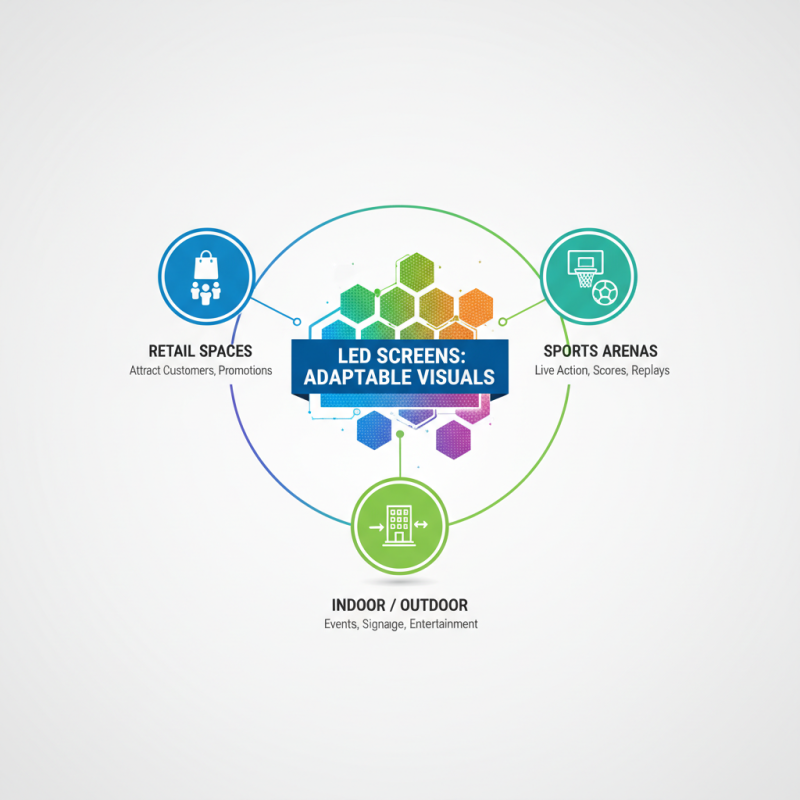
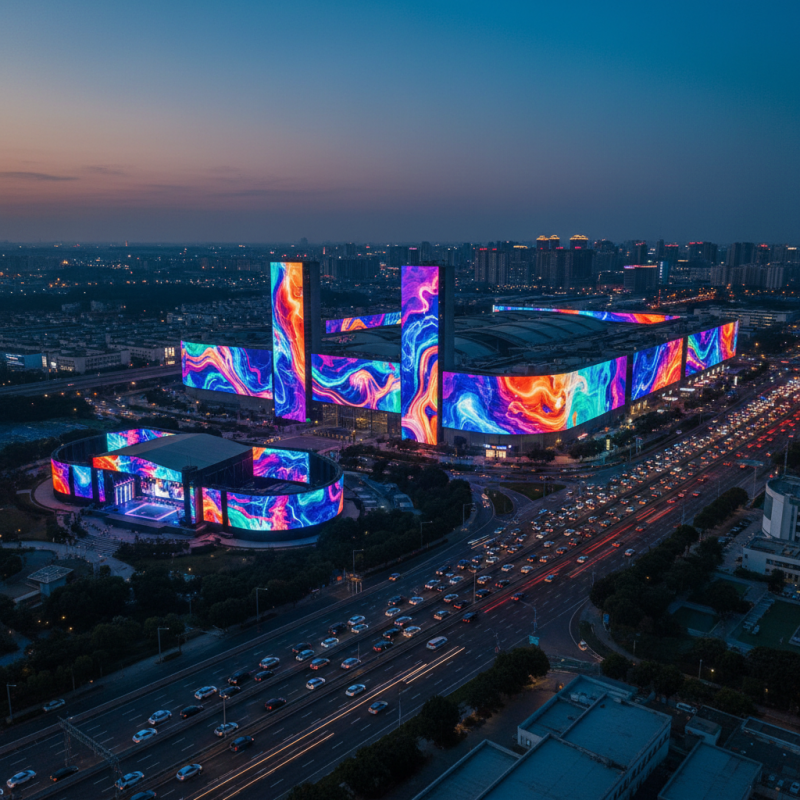
LED screens are incredibly versatile. They can fit into various environments, both indoor and outdoor. In retail spaces, they attract customers with vibrant visuals. In sports arenas, they display live action and scores. Their adaptability to different settings makes them highly effective.
Manufacturers can adjust size and shape according to needs. Event planners use them for dynamic backdrops. Educational institutions leverage LED screens for engaging lessons. However, the installation process can be complex. It may require professional help and can be costly.
Occasionally, color representation might not be perfect. Different ambient conditions can affect display quality. Some users might struggle with technical maintenance over time. It's essential to consider these challenges when opting for LED solutions. Balancing their benefits with potential issues can lead to better decisions.


 House of Worship
 Transportation
 Trade shows led display
 retail
 Creative Led Solutions
 Hospitality
 Higher Education
 Corporate LED