What Is the Best Hair Removal Machine in 2026?
Choosing the best Hair Removal Machine in 2026 is not simply a search for the newest model. Real performance depends on skin tone, hair thickness, treatment area, cooling quality, and operator training. A powerful device can still produce poor results when used with unsuitable settings. Safety matters more than impressive advertising.
Dr. Christian Karavolas, a laser hair removal specialist, has stated, “There is no one laser that works for everyone.” This principle remains important when comparing diode, alexandrite, Nd:YAG, and IPL systems. Each technology interacts differently with melanin, hair depth, and skin sensitivity. Darker skin may require longer wavelengths and carefully controlled energy. Fine, light hair can be more difficult to treat. Some machines also offer contact cooling, which can feel like a brief, cold press against the skin.
Our evaluation considers clinical experience, wavelength options, pulse control, cooling systems, maintenance, and manufacturer support. We also examine whether the machine is designed for professional clinics or home use. That distinction is easy to overlook. It should not be.
Independent testing and qualified professional guidance provide stronger evidence than sales claims. Still, no device guarantees permanent results for every person. Hormonal changes, inconsistent sessions, and incorrect settings can affect outcomes. I have found that honest comparisons must include limitations, not just advantages. The best Hair Removal Machine is therefore the safest, most suitable choice for a specific user, rather than the most expensive or heavily promoted option.
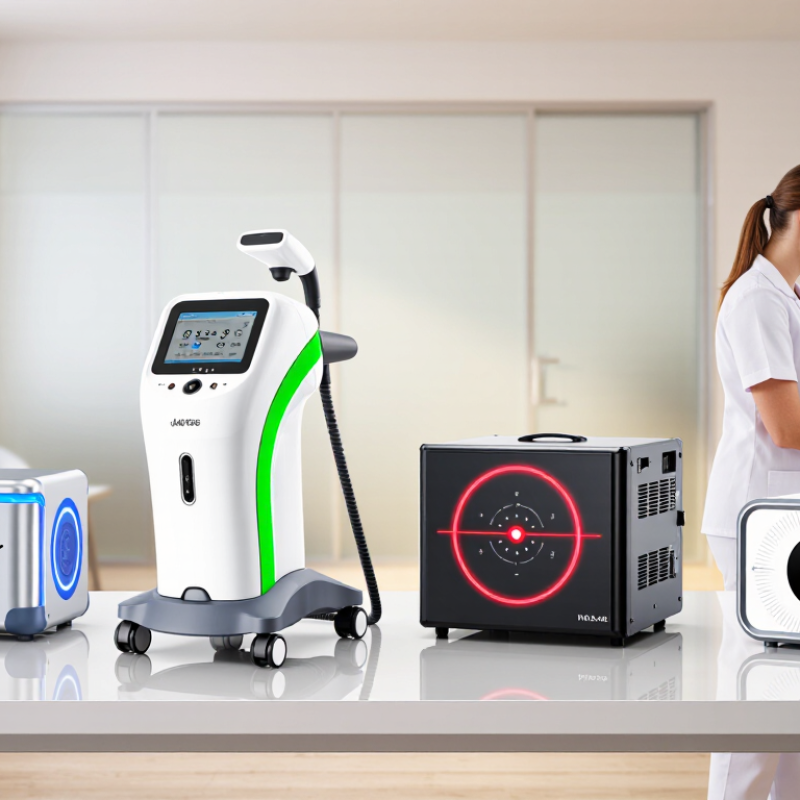
How Hair Removal Machines Work: IPL, Laser, and Wavelength Ranges
What Is the Best Hair Removal Machine in 2026?
The best hair removal machine depends on wavelength, skin tone, hair color, and treatment area. IPL uses a broad light range, commonly about 500–1,200 nanometers. It sends scattered energy into melanin, the pigment inside hair. Laser devices use a narrower wavelength, creating more targeted heating around the follicle.
Wavelength matters. Around 755 nanometers strongly targets lighter hair pigment, while 810 nanometers offers balanced penetration. A 1064-nanometer wavelength reaches deeper tissue and usually suits darker skin more cautiously. Cooling, pulse duration, and adjustable fluence also affect comfort and safety. Hair must contain enough pigment. Very pale, red, gray, or white hair may respond poorly.
The numbers show continued demand. Grand View Research’s 2024 industry report estimated the global laser hair removal market at approximately 1.03 billion US dollars in 2023. It projected an annual growth rate near 18.9% from 2024 to 2030. That growth does not make every machine effective. Marketing often simplifies the science.
In professional practice, matching the wavelength to the person matters more than choosing the highest energy. A small test area can reveal unexpected irritation. I would not assume one setting works everywhere. Face, legs, and underarms often need different approaches. Darker skin requires careful energy control because surrounding melanin can absorb light too. During evaluation, check published fluence ranges, cooling design, treatment records, and qualified supervision. Results vary. That part is easy to underestimate.
Comparing 755, 810, and 1064 nm Lasers for Different Hair Types
Choosing the best hair removal machine in 2026 starts with wavelength, not marketing claims. The three common options are 755, 810, and 1064 nm lasers. Each interacts differently with melanin, hair thickness, and skin tone.
The 755 nm laser strongly targets pigment, making it effective for light skin with coarse, dark hair. It demands careful cooling and conservative settings on tanned or darker skin. The 810 nm wavelength reaches deeper and offers a practical balance for many skin tones and hair textures. It often suits larger areas, such as legs or backs. The 1064 nm laser penetrates deepest and absorbs less epidermal melanin. That makes it a safer choice for darker skin, although fine or lightly pigmented hair may respond slowly. Results vary.
A 2023 ISAPS Global Survey recorded 19.1 million non-surgical aesthetic procedures worldwide. This shows rising demand, but it does not prove one wavelength is universally superior. A 2022 review in Lasers in Medical Science also emphasized that fluence, pulse duration, cooling, and treatment intervals influence outcomes. Wavelength alone is incomplete. In clinical assessment, I would check hair diameter, recent tanning, skin sensitivity, and hormonal factors before selecting a platform. Patch testing remains sensible. Higher energy is not automatically better. Operators sometimes overfocus on machine specifications and underjudge technique. That is where disappointment begins.
What Is the Best Hair Removal Machine in 2026?
Comparing 755, 810, and 1064 nm lasers for different hair and skin combinations
The chart uses a relative suitability index from 1 to 5 based on established wavelength characteristics: 755 nm is strongly absorbed by melanin and is generally effective for lighter skin with dark hair; 810 nm offers a balanced option for many skin tones and hair types; and 1064 nm penetrates deeper with lower melanin absorption, making it the safer wavelength choice for darker skin when properly operated. Individual results depend on skin type, hair pigment, hair thickness, treatment settings, and professional assessment.
Skin Safety by Fitzpatrick Type: Fluence, Cooling, and FDA Standards
What Is the Best Hair Removal Machine in 2026?
The best hair removal machine is not the one with the highest power. It is the one that matches fluence, wavelength, pulse duration, and cooling to the client’s Fitzpatrick type. Types I–III usually tolerate higher fluence, while types IV–VI need cautious energy increases and longer cooling. Darker skin contains more competing melanin, which can absorb laser energy and raise burn or pigment-change risks. The American Academy of Dermatology warns that inexperienced treatment may cause blistering, scarring, or lasting color changes.
Cooling matters immediately. A chilled contact surface can reduce epidermal heat before and after each pulse. Fluence should be recorded in J/cm², not described vaguely as “strong.” FDA guidance defines permanent hair reduction as stable reduction in regrowth, not complete removal. FDA-cleared status supports a device’s intended use, but it does not guarantee safe settings or clinical results. That distinction is easy to overlook.
Patch testing remains practical, especially for types V and VI, recently tanned skin, or uneven pigmentation. Still, one small test cannot predict every reaction. I would wait 48 hours and inspect redness, swelling, and delayed darkening. A 2024 review in Lasers in Medical Science emphasizes individualized parameters and trained supervision for darker skin. The uncomfortable truth: many treatment failures come from rushed assessment, not weak machinery.
Choosing the Best Hair Removal Machine by Skin Tone, Hair Color, and Use Case
What Is the Best Hair Removal Machine in 2026?
Choosing the Best Hair Removal Machine by Skin Tone, Hair Color, and Use Case
The best hair removal machine depends on your skin tone, hair color, and treatment area. It is not always the most powerful device. Skin tone matters because intense light can irritate deeper pigmentation. For medium to deep skin tones, choose a machine with adjustable energy levels and a reliable skin-tone sensor. A patch test remains essential. Follow the device instructions carefully, even when the process feels simple.
Hair color also affects results. Dark brown or black hair usually responds better because it contains more pigment. Light blonde, red, gray, or white hair may absorb less light. Results can be limited. For those shades, professional advice may be more useful than repeated home treatments. I would also avoid treating recently tanned skin, irritated skin, tattoos, or open blemishes. Small details matter.
Match the machine to your routine. A compact model suits small areas, such as the upper lip or underarms. A wider treatment window saves time on legs and larger body areas. For sensitive skin, cooling contact and lower settings can make treatment more comfortable. Do not chase fast results. Hair grows in cycles, so several sessions are commonly needed. Some areas may respond unevenly, and that can be frustrating. A treatment log can reveal whether the machine is helping or whether expectations need adjustment. Always stop when burning, blistering, or persistent pain appears, and seek qualified medical guidance.


 House of Worship
 Transportation
 Trade shows led display
 retail
 Creative Led Solutions
 Hospitality
 Higher Education
 Corporate LED


