How to Choose the Right Din-Rail Industrial Switch for Your Needs?
Choosing the right Din-Rail Industrial Switch can significantly impact your industrial operations. Renowned expert Mike Johnson, a leading figure in industrial networking, states, "The right switch can enhance your system's reliability and performance." His insights highlight the importance of making informed decisions in this field.
When selecting a Din-Rail Industrial Switch, consider the specific requirements of your application. Factors such as data throughput, environmental conditions, and redundancy options come into play. An effective switch must meet the demands of harsh environments, ensuring continuous performance. Users often overlook these elements, leading to operational challenges.
Furthermore, understanding the evolving technology landscape is crucial. New standards and features continuously emerge, making it vital to stay updated. Many professionals find themselves stuck with outdated equipment due to insufficient research. Reflecting on these concerns can guide better choices, enhancing reliability and efficiency in your projects.
Understanding the Different Types of Din-Rail Industrial Switches
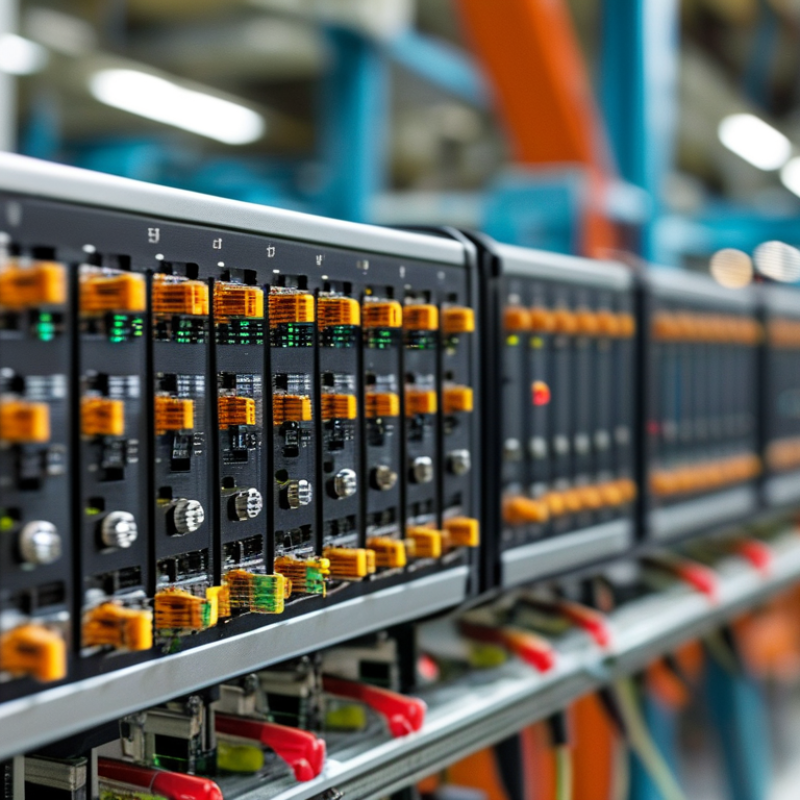
When selecting a Din-Rail industrial switch, it’s essential to understand the different types available. These switches come in various forms, suited to distinct applications. There are unmanaged, managed, and smart switches, each offering unique capabilities. Unmanaged switches provide simple, plug-and-play operations. They are ideal for basic networking needs. Managed switches, on the other hand, allow for deeper control. They support VLANs and traffic prioritization, making them useful in complex environments.
Smart switches bridge the gap between unmanaged and managed options. They offer some management features while remaining user-friendly. This flexibility makes them appealing in various settings. Size, port count, and Power over Ethernet (PoE) capabilities are also critical considerations. Some applications require more ports, while others may need PoE to power devices like cameras.
Reflection on these options highlights the importance of aligning the switch with specific project requirements. Choosing the wrong type can lead to network inefficiencies. Therefore, a clear understanding of your operational needs is crucial. Consider future scalability as well; technology evolves rapidly. What works today may not suffice in the near future. Ultimately, careful assessment is key to selecting the right Din-Rail industrial switch.
Key Specifications to Consider When Selecting Din-Rail Switches
When selecting a Din-Rail industrial switch, key specifications play a crucial role. Start with the number of ports. More ports allow for greater connectivity options. Think about your future needs. Investing in a switch with extra ports can save you headaches later. Also, consider the data transfer rates. A switch with higher Mbps capabilities ensures faster and more efficient data transmission.
Power requirements cannot be overlooked. Ensure the switch can handle your system’s power needs. Some environments necessitate a rugged design to withstand harsh conditions. Look for features like temperature ratings and resistance to dust and moisture. These aspects guarantee durability and reliability over time.
Another important detail is network management features. Some switches offer advanced capabilities, like VLAN support or redundant power inputs. If your network is complex, these can enhance its efficiency. Reflect on your current infrastructure and growth plans. Understanding these specifications ultimately helps in making an informed decision, tailored to your unique requirements. Your choice should align with both immediate and long-term expectations.
How to Choose the Right Din-Rail Industrial Switch for Your Needs? - Key Specifications to Consider When Selecting Din-Rail Switches
| Specification | Description | Importance |
| Port Count | Number of Ethernet ports available on the switch. | Determines the number of devices that can be connected. |
| Switching Capacity | The total bandwidth the switch can handle. | Affects data transfer efficiency and speed. |
| Power Over Ethernet (PoE) | Ability to deliver power and data over the same cable. | Reduces cabling costs and simplifies installations. |
| Operating Temperature Range | The temperature range within which the switch operates reliably. | Critical for environments with extreme temperatures. |
| Redundancy Features | Includes features like dual power inputs and link redundancy. | Enhances network reliability and uptime. |
| Mounting Type | Indicates how the switch can be installed (e.g., DIN rail). | Important for space constraints and easy installation. |
| Managed vs Unmanaged | Managed switches offer configuration options; unmanaged do not. | Affects management capabilities and network control. |
| Warranty Period | The duration and terms under which the switch is covered. | Indicates the manufacturer's confidence and product durability. |
Evaluating Performance Metrics for Industrial Networking Needs
When choosing a din-rail industrial switch, it's essential to evaluate performance metrics. These metrics provide insight into how well a switch can handle your networking demands. According to industry data, over 70% of network failures in manufacturing occur due to inappropriate hardware selection. Key performance indicators include throughput, latency, and port density, which play a crucial role in network reliability.
Throughput is vital for determining how much data can be transmitted simultaneously. Industrial switches with higher throughput ensure minimal delays in communication. For instance, switches supporting Gigabit Ethernet can significantly reduce latency, achieving response times of less than 5 milliseconds in ideal conditions. However, not all environments can maintain these conditions consistently, leading to potential performance gaps that users must address.
Port density is another critical factor that shouldn't be overlooked. A switch with sufficient port density allows for easier scalability as network demands grow. Yet, too many ports can complicate management and increase the risk of configuration errors. Survey findings indicate that nearly 40% of network administrators report issues because of overwhelming interface options. It's crucial to strike a balance, ensuring that the switch meets current needs without excessive complexity or cost.
Assessing Environmental and Durability Standards for Switch Reliability
When selecting a din-rail industrial switch, assessing environmental and durability standards is crucial. These factors ensure the switch can operate reliably in different conditions. Industry reports highlight that nearly 70% of switch failures are due to inadequate durability against environmental stressors. High levels of dust, moisture, and extreme temperatures significantly contribute to overall system risks.
Tips: Consider the IP rating of the switch. A higher IP rating ensures protection against particulates and water ingress. Look for devices that meet IEC 60529 standards.
Additionally, vibration and shock resistance are vital in industrial settings. A report from the Industrial Automation Association shows switches must endure vibrations exceeding 5G. These stresses can lead to component fatigue over time. It's essential to choose switches designed for such conditions.
Tips: Check for certifications like UL or CE, which indicate a product's compliance with international safety standards. Always consult product specifications for details.
Lastly, consider the operating temperature range. Some switches only function within a narrow band, which can be detrimental in fluctuating environments. Choosing a switch with wider temperature tolerance can prevent potential breakdowns. These aspects are often overlooked yet play a significant role in ensuring long-term reliability.
Comparative Analysis of Cost vs. Features in Din-Rail Switches
When selecting a Din-Rail industrial switch, the balance between cost and features is crucial. A recent report from Research and Markets indicates that the global industrial switch market is expected to grow by 8% annually through 2028. This growth underscores the increasing reliance on efficient network solutions in industrial settings. Choosing a switch purely based on price may overlook essential functionalities that enhance system performance.
For instance, basic switches may cost less but lack advanced features like VLAN support and redundant power inputs. Studies show that users often underestimate the significance of these capabilities, potentially resulting in network downtimes. In many cases, investing in a switch with features like Quality of Service (QoS) can lead to better overall network performance. This could affect productivity, particularly in large facilities with high data traffic.
Furthermore, the right switch should align with specific application needs. Some users might prioritize high port density for scalability, while others may focus on ruggedness for harsh environments. Ignoring these factors can lead to re-evaluations and additional costs later. Dissecting the cost versus features can illuminate the necessity of incorporating reliability and versatility into the decision-making process.


 House of Worship
 Transportation
 Trade shows led display
 retail
 Creative Led Solutions
 Hospitality
 Higher Education
 Corporate LED


