How to Choose the Right LED Wall Panels for Your Business?
In today's competitive market, selecting the right LED wall panels for your business is crucial. The global LED display market is projected to reach $30 billion by 2025, indicating a growing demand for high-quality visual solutions. Businesses that leverage these technologies gain a significant edge through enhanced customer engagement and brand visibility.
When choosing LED wall panels, businesses should consider factors such as brightness, resolution, and installation type. For instance, a report from Research and Markets highlights that indoor panels require different specifications compared to outdoor panels. The right choice can boost advertising effectiveness by up to 50%. However, many companies underestimate the importance of proper technical support and maintenance, leading to suboptimal performance.
Understanding your specific needs is vital. Investing in the wrong technology can lead to wasted resources. Not all LED wall panels are created equal, and poor choices can hinder your company's image. Evaluating different options with expert guidance helps ensure you make a sound investment that meets your goals.
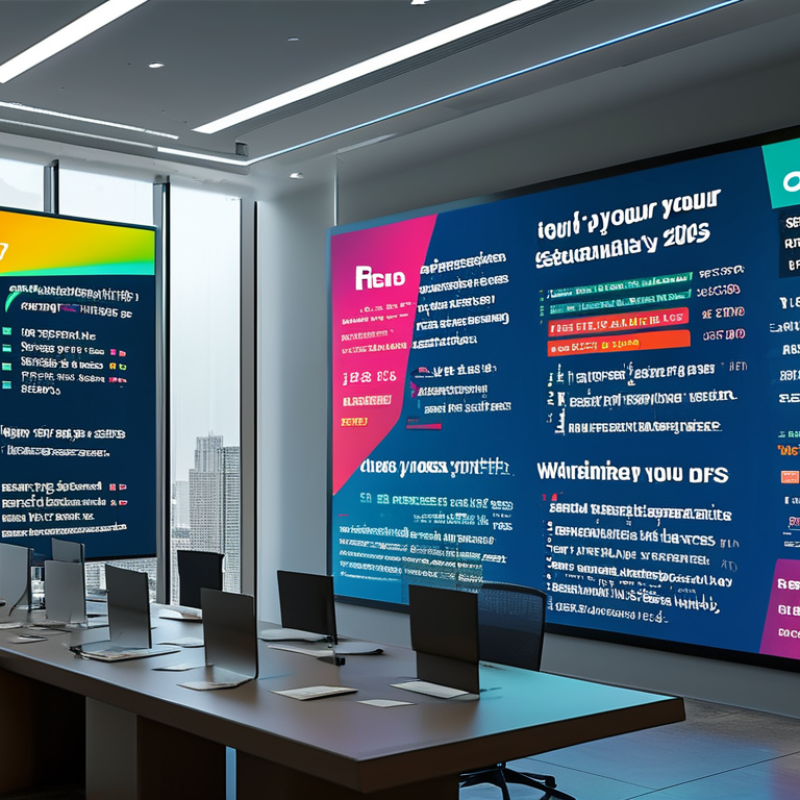
Understanding LED Wall Panel Types and Their Applications in Business
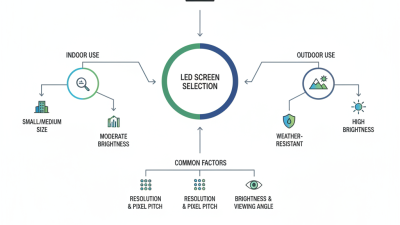
When selecting LED wall panels for your business, understanding their types and applications is crucial. LED wall panels come in various forms: direct view, rear projection, and video walls. Each type serves different purposes based on your business needs. A direct view panel offers high brightness and sharp color accuracy, making it ideal for advertising. Meanwhile, rear projection panels fit well in settings where space is limited, like corporate boardrooms. According to a report by Markets and Markets, the global LED display market is expected to reach $70.93 billion by 2025, indicating a significant growth trend.
Businesses often overlook the importance of panel resolution. Higher resolution panels deliver clearer images and enhance viewer engagement. Resolution is measured in pixels, influencing performance significantly. For example, a panel with 4K resolution is preferable for applications requiring fine detail, such as product showcases. It's worth noting that while higher-quality panels come at a premium, the return on investment can be substantial. However, not every business needs the highest specs. Evaluate your audience and application before making a costly decision.
Incorporating LED panels also requires attention to installation and maintenance. Poor installation can lead to image distortion or damage. Daily wear and tear can affect performance, necessitating regular checks. The Interactive Advertising Bureau (IAB) reported that good maintenance practices can extend the lifespan of these displays, but many businesses fail to prioritize proper care. Balancing quality, cost, and maintenance needs is essential for long-term success.
LED Wall Panels Usage in Business by Industry
Evaluating Brightness Levels: How Lumens Affect Visibility and Impact
Brightness levels are crucial when choosing LED wall panels. Lumens determine how bright the display will be. A panel with higher lumens offers better visibility. This is especially important in well-lit environments. Imagine a vibrant outdoor setting where sunlight competes with your content. A low-lumen panel may struggle to capture attention.
The viewing distance also impacts your choice of lumens. If customers stand several feet away, lower lumens might suffice. However, for broader visibility, opt for higher lumens. Consider the content you will display as well. Engaging visuals can be lost in poor lighting. You wouldn't want your promotion to blend into the background.
Evaluating the impact of brightness should not be taken lightly. Excessive brightness can also deter viewers, causing eye strain. Look for the right balance. Testing various panels in different conditions can help guide your decision. Don't rush into a purchase. Reflect on how the brightness works in your specific business environment.
Assessing Resolution and Pixel Density for Optimal Image Quality
When selecting LED wall panels, resolution and pixel density are critical for achieving optimal image quality. A study by the Society for Information Display revealed that higher pixel density improves image clarity. For instance, indoor applications typically require a pixel pitch of 1.5mm to 3mm. This spacing enhances visual details, making images sharper and more engaging.
Businesses often overlook the importance of resolution. A low-resolution screen can dilute brand messages. For example, a 1920x1080 screen size at a pixel pitch of 3mm offers suitable clarity for general displays. Yet, at closer viewing distances, details may blur. Hence, assessing how viewers will interact with the display is vital.
Various reports indicate that well-chosen LED panels can lead to increased customer engagement by up to 30%. However, selecting too low a resolution could detract from this effect. It is essential to find a balance that meets your business needs without sacrificing image quality. Reflecting on these aspects ensures that your investment in LED technology pays off.
Determining the Right Size and Aspect Ratio for Your Business Needs
Choosing the right size and aspect ratio for LED wall panels is crucial for maximizing impact. You need to consider the space where the panels will be installed. Measure the wall area carefully; oversized panels may overpower the room, while panels that are too small can appear insignificant. A balanced size ensures that your display captures attention without overwhelming viewers.
Aspect ratio is equally vital. Common ratios like 16:9 suit most video content, but unique needs may call for custom dimensions. For instance, events requiring panoramic views might benefit from a 21:9 ratio. Think about the type of content you'll display. Will it be videos, static images, or live feeds? Each application might require different proportions. Experimentation can be valuable. You might find that what works on paper looks different in practice.
Additionally, be mindful of your audience’s perspective. A panel high above eye level might seem distant. Viewing angles can impact how content is perceived. Always visualize how the display fits into the environment. Adjustments might be necessary, and reflections from the surroundings can change how the display appears. Consider conducting a mock-up in your space to assess size and aspect ratio before finalizing your choice.
Budget Considerations: Balancing Initial Costs and Long-term ROI
When selecting LED wall panels, budget considerations are crucial. Initial costs can be significant, but they often don't tell the full story. Cheaper panels may save you money upfront, but they might fail to meet performance needs. This could increase your operating expenses over time, negating any initial savings. It’s essential to assess how much you’re willing to invest for quality and longevity.
Long-term ROI is often overlooked. High-quality LED panels generally come with better warranties and durability. This means fewer replacements and maintenance costs in the future. Consider the energy efficiency of the panels as well. More efficient models lead to lower electricity bills, contributing to long-term savings. Reflect on your specific needs and surroundings; sometimes, investing more now can prevent larger expenses down the road.
Balancing initial costs with potential savings can be tricky. It’s important to gather insights from industry experts or conduct thorough research. Examine case studies or testimonials about various options. Understanding the importance of quality and the long-term implications may shape your purchasing decision. Each aspect of your choice impacts not only your budget but also overall business efficiency.


 House of Worship
 Transportation
 Trade shows led display
 retail
 Creative Led Solutions
 Hospitality
 Higher Education
 Corporate LED