10 Essential Tips for Using a Digital Display Board Effectively?

In today's digital age, a digital display board is a powerful tool for communication. These boards capture attention with vibrant graphics and dynamic content. Businesses, schools, and organizations use them to convey important messages. However, simply having a digital display board is not enough to guarantee success.

Effectively using these boards requires careful planning and strategy. Audience engagement is crucial. Given the fast-paced nature of digital content, shorter messages often yield better results. It is essential to keep text concise and visually appealing. Depending on your audience, the tone can vary, which adds a layer of complexity.

Many people overlook critical details when using digital display boards. A great design can enhance understanding, while poor choices can detract from your message. Regular updates are necessary to maintain relevance, but consistent updates can be hard to implement. Balancing creativity with practicality is a continuous challenge in the digital display landscape.

10 Essential Tips for Using a Digital Display Board Effectively?

Choosing the Right Location for Your Digital Display Board

10 Essential Tips for Using a Digital Display Board Effectively?

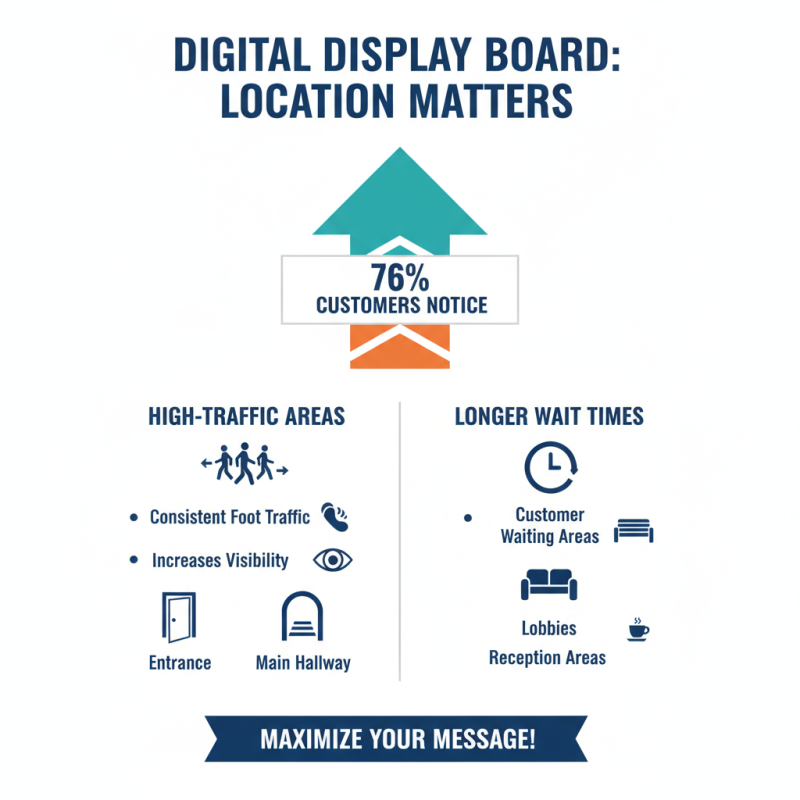
Choosing the right location for your digital display board is crucial. Research suggests that 76% of customers notice digital signage when it’s positioned in high-traffic areas. Selecting a place with consistent foot traffic increases visibility. An entrance or main hallway works well. Alternatively, consider areas where customers wait longer, such as lobbies.

However, it’s easy to overlook factors like lighting and glare. A display board can be ineffective if not properly lit. Reports indicate that 43% of viewers are put off by hard-to-read displays. The message can become lost if the audience struggles to see it. Measure the distance from which people will view the board, ensuring that it’s readable and engaging.

Reflect on your audience. What catches their attention? Different demographics respond to various styles. For example, younger audiences prefer vibrant colors and dynamic content. On the other hand, a more subdued approach might suit a corporate setting. There’s no one-size-fits-all solution, making this an ongoing challenge worth revisiting.

Designing Eye-Catching Visuals for Maximum Engagement

Creating eye-catching visuals for a digital display board is crucial for engagement. Start with bold colors that capture attention. Bright backgrounds can draw the viewer in, but ensure text stands out. Use a high contrast between text and background. This simple tactic improves readability. Avoid cluttered designs that overwhelm. A clean layout focuses viewer attention.

Images play a significant role in visual appeal. Choose high-quality images that resonate with your audience. Illustrations or graphics can convey messages quickly. Sometimes, less is more. A single strong image may speak louder than multiple smaller ones. Ensure that visuals align with your message.

Regularly reflect on your designs. Analyze what works and what doesn’t. Solicit feedback from viewers to understand their preferences. Adjusting visuals based on viewer responses can enhance effectiveness. Don't hesitate to experiment. Sometimes, unexpected combinations lead to the best results. Keep the audience at the forefront. Their interaction is the ultimate goal of any display.

10 Essential Tips for Using a Digital Display Board Effectively

Tip Description Benefits
Use High-Quality Images Incorporate crisp, clear images that resonate with your message. Captivates audience attention and improves message retention.
Keep Text Minimal Limit text to key phrases and essential information only. Ensures clarity and quick comprehension.
Engage With Animation Utilize subtle animations to draw attention without being distracting. Increases engagement and visual interest.
Choose Appropriate Colors Select a color scheme that is in line with your brand and ensures readability. Enhances visibility and aesthetic appeal.
Schedule Regular Updates Change content frequently to keep it relevant and engaging. Keeps the audience informed and coming back for fresh content.
Test Visibility Assess your display from different distances and angles. Ensures all audience members can easily see and understand the message.
Incorporate Interactive Elements Add touch screens or QR codes for additional engagement options. Enhances user interaction, driving deeper engagement.
Utilize Clear Call-to-Actions Encourage the audience to take specific actions through clear messaging. Drives conversions and desired outcomes.
Analyze Audience Metrics Monitor engagement data to refine strategies based on audience preferences. Optimizes content for improved results.

Scheduling Content Effectively to Maintain Relevance

Scheduling content effectively is key to maximizing the impact of a digital display board. A well-planned schedule ensures that your audience receives timely and relevant information. Create a content calendar that outlines what will be displayed and when. Consider current events and seasonal themes. This keeps your messages fresh and engaging. Sometimes, though, we forget to update our boards. Outdated information can confuse viewers. Monitor content regularly to avoid this pitfall.


Utilizing data analytics can enhance scheduling. Analyze viewer engagement and peak times. If certain content doesn’t resonate, remove it. Experiment with different formats and timing; learn from what works. Perhaps you find that shorter messages have a more significant impact compared to longer ones. Adjust accordingly. Be mindful of community feedback as well. Engaging your audience can provide insights on what they want to see. By using this feedback, you can maintain relevance and connect better.


Lastly, remember flexibility is crucial. Plans may change, and unexpected events might arise. Adapt your schedule to reflect current realities. A digital display board should be dynamic, not static. This requires ongoing reflection on your strategies. Stay curious and keep improving your approach to keep your content engaging and relevant.

Utilizing Data Analytics to Measure Display Performance

Utilizing data analytics is crucial for maximizing the performance of digital display boards. Effective measurement ensures that your display reaches the right audience with the right message. According to a report by the Digital Signage Federation, 80% of viewers notice digital signage more than traditional media. This emphasizes the necessity of understanding audience engagement through analytics.

One effective tip is to track viewer interactions. Implementing tools like heat maps can reveal which areas of the display attract the most attention. This data can help adjust content placement for better visibility. Furthermore, analyzing dwell time provides insight into how long visitors engage with the content, leading to better design decisions.

Another important aspect is A/B testing of content. Testing variations in design or messaging can significantly impact audience engagement. Research shows that properly executed A/B tests can lead to a 50% increase in viewer interest. However, reliance solely on data can be misleading. Sometimes, creative and intuitive choices are needed. Balancing data analysis with creative instincts is essential for optimal display performance.

Display Performance Analysis: Visitor Engagement Over Time

This bar chart represents the percentage of visitor engagement over a five-week period, illustrating fluctuations and trends in audience interaction with the digital display board.

Regular Maintenance and Updates for Optimal Functionality

Regular maintenance of digital display boards is crucial. Without it, screens can suffer from glitches or malfunctions. Dust and grime can accumulate, dulling brightness and clarity. Schedule routine cleanings to ensure products shine brightly. Checking connections and cables is necessary too. Loose wires can lead to fading or complete screen failure.

Updates play a significant role in functionality. Outdated software may cause compatibility issues. Regularly check for updates to ensure optimal performance. Ignoring updates can leave your audience missing important information. Sometimes, screens may not display what you intended. Regularly revising content helps prevent this issue. Keep the information fresh and engaging to maintain audience interest.

Inconsistent maintenance can be frustrating. You might find yourself scrambling to fix issues when they arise. A lack of organization in updating schedules might lead to outdated or irrelevant content being displayed. Establishing a clear maintenance plan is beneficial. It helps in balancing functionality and visual appeal. A systematic approach will save time and enhance the efficiency of your digital display board.

Need Help?
X

Ready to Talk?

Our team is ready to connect.