How to Choose an Electric Trike Scooter in 2026?
Choosing an Electric Trike Scooter in 2026 requires more than comparing battery size and advertised speed. A showroom model may look impressive, yet feel unstable on a sloped driveway or cramped grocery-store entrance. Real decisions begin with daily use. Will you carry shopping, travel with a child, or ride several kilometres before recharging? These details shape the right frame, motor, storage design, and braking system.
Richard Thorpe, founder of the electric bicycle company Gocycle, has said, “Good design disappears into the experience.” That idea matters here. A well-designed Electric Trike Scooter should feel balanced when turning, predictable when stopping, and comfortable after thirty minutes in the saddle. Look closely at the seat height, handlebar reach, tyre width, and foot placement. Small differences become obvious on uneven pavement.
Safety deserves honest attention. Three wheels do not automatically prevent tipping. A high-mounted basket, sharp corner, or fast downhill turn can still create trouble. Check the centre of gravity, parking brake, lighting, reflectors, and reverse-assist controls. Test it slowly.
Range claims can also disappoint. Manufacturers often measure ideal conditions, not cold mornings, hills, heavy loads, or frequent stops. Leave a margin.
No guide can predict every rider’s habits. Some buyers may overvalue power and overlook service access. Others may choose comfort but forget transport and storage. This article will examine the practical criteria, common mistakes, and 2026 buying considerations that make an Electric Trike Scooter genuinely useful—not merely attractive in a product photograph.
Understand the Main Types of Electric Trike Scooters
How to Choose an Electric Trike Scooter in 2026?
Understand the Main Types of Electric Trike Scooters
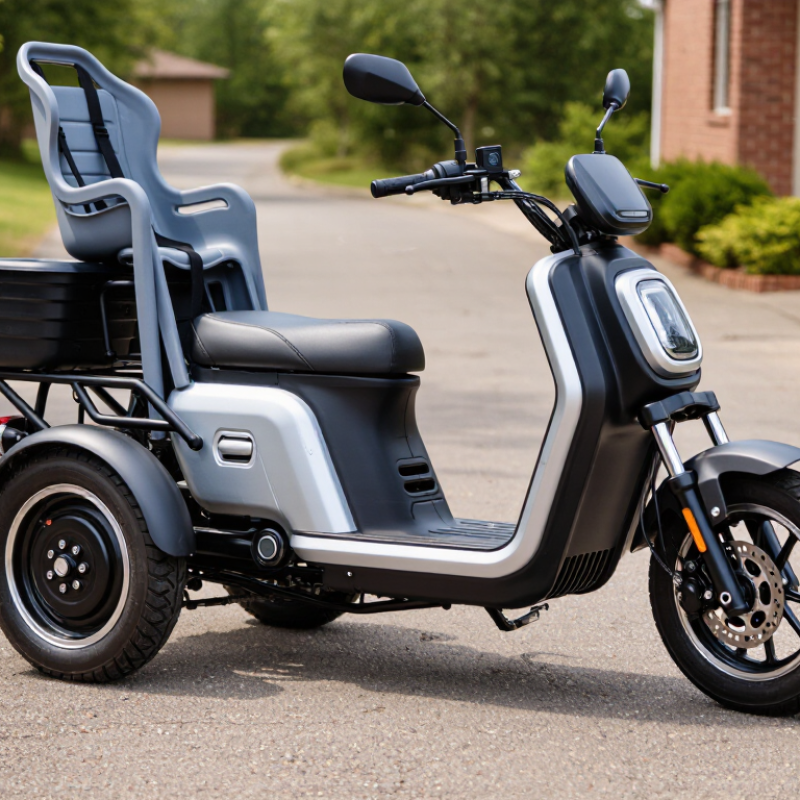
When choosing an electric trike scooter, start with its wheel layout. A delta trike has two rear wheels and one front wheel. It feels steady at low speed and often offers useful space behind the seat. However, sharp turns can feel awkward, especially on narrow paths. A tadpole trike uses two front wheels and one rear wheel. Its wider front stance can improve cornering control, but the turning width needs careful measurement.
There are also upright commuter trikes, folding trikes, and recumbent models. Upright designs suit short errands and provide a familiar riding position. Folding versions help apartment users, though hinges can add weight and need regular inspection. Recumbent trikes place the rider lower, which may improve comfort and wind protection. Getting on and off can be less convenient. I once assumed a lower seat always meant better stability. That was too simple.
Cargo Trikes: Capacity and Handling
Cargo trikes focus on carrying capacity. They may use a front box, rear platform, or extended frame. Check the load rating, brake performance, and battery position together. A heavy rear load can change steering behavior.
Test the turning circle, brake reach, seat adjustment, and rider visibility. Ask for a supervised test ride. Small details matter. Inspect tire clearance and charging access, too. Specifications can look impressive, yet daily comfort is harder to measure.
Match the Trike’s Design to Your Riding Needs
An electric trike scooter should fit the places you ride, not just look comfortable in a showroom. A compact, upright design can feel easier to steer on neighborhood paths and around parked cars. A wider frame may feel steadier, but check whether it can pass through your gate or fit inside your storage area. Measure the narrowest doorway before you buy. Small detail, big difference.
Think about how you will carry everyday items. A rear basket can suit groceries, while a front basket may make steering feel different when loaded. Keep heavy items low and secure, and test the trike with a realistic load if possible. For longer rides, compare seat support, handlebar reach, and step-through height. If you have limited hand strength, make sure the brake levers are easy to squeeze. Specs help, but a short test ride can reveal awkward handling that numbers miss.
Tips: Match wheel size and frame width to your usual route. Check turning space in a quiet area, then try a gentle slope and a tight turn. Ask how the trike behaves on your common surfaces, such as cracked pavement or packed gravel. I once assumed a larger basket was always better; it made the front feel cumbersome. That may not matter to every rider, so test your own setup before deciding.
How to Choose an Electric Trike Scooter in 2026?
Match the trike’s design to your riding needs: wheel layout is a practical starting point when comparing stability, visibility, and maneuverability.
How to read it: Delta trikes have one front wheel and two rear wheels; tadpole trikes have two front wheels and one rear wheel. Consider the layout alongside your route, turning space, and cargo needs, and test-ride before choosing.
Check Legal Rules, Maintenance Needs, and Total Ownership Cost
How to Choose an Electric Trike Scooter in 2026?
Legal checks should come before a test ride. An electric trike scooter may be classified as a bicycle, moped, mobility device, or motor vehicle. The classification changes helmet, registration, insurance, lighting, speed, and sidewalk rules. Check your transport department’s current guidance, not a seller’s description. NHTSA guidance shows that vehicle definitions can depend on speed, equipment, and intended use. Rules also differ between cities. That is easy to miss.
Maintenance affects safety and ownership cost. Inspect brake pads, tire pressure, steering joints, and battery connectors every month. Keep the battery dry and avoid charging it beside heat sources. The IEA’s Global EV Outlook 2024 identifies electric two- and three-wheelers as a major part of global electric mobility. That growth does not remove maintenance needs. A neglected wheel bearing can consume more energy and reduce stability. I learned this the hard way with a loose fastener.
Calculate total ownership cost over three years. Add purchase price, electricity, insurance, registration, tires, service, storage, and possible battery replacement. The U.S. Energy Information Administration reported average residential electricity prices of about 16.5 cents per kilowatt-hour in 2024. A 1.2-kilowatt-hour daily charge would cost roughly 20 cents before charging losses. Real range may fall in cold weather, hills, or heavy loads. Leave a repair reserve. My first estimate was too optimistic.


 House of Worship
 Transportation
 Trade shows led display
 retail
 Creative Led Solutions
 Hospitality
 Higher Education
 Corporate LED


