Top Large Format UV Roll to Roll Printers for Your Business?
In today's competitive printing landscape, businesses are increasingly turning to Large Format UV Roll to Roll Printers. These printers offer remarkable versatility, allowing companies to produce high-quality graphics on various materials. According to Smithers Pira, the global demand for large format printing is expected to reach $10.4 billion by 2025. This trend reflects a growing need for innovative printing solutions.
Large Format UV Roll to Roll Printers are particularly valuable in the signage and advertisement sectors. They allow for seamless production of banners, posters, and vehicle wraps. Businesses that invest in these printers can enhance their service offerings and improve overall profitability. However, selecting the right printer can be challenging. The market is inundated with options, each presenting different features and capabilities.
While these printers showcase incredible advancements, some users report issues with maintenance and operational efficiency. Moreover, understanding the true cost of ownership is crucial for any business decision. As you navigate the options available, it’s essential to weigh performance against potential challenges. Investing wisely in Large Format UV Roll to Roll Printers can set your business apart in a crowded market.
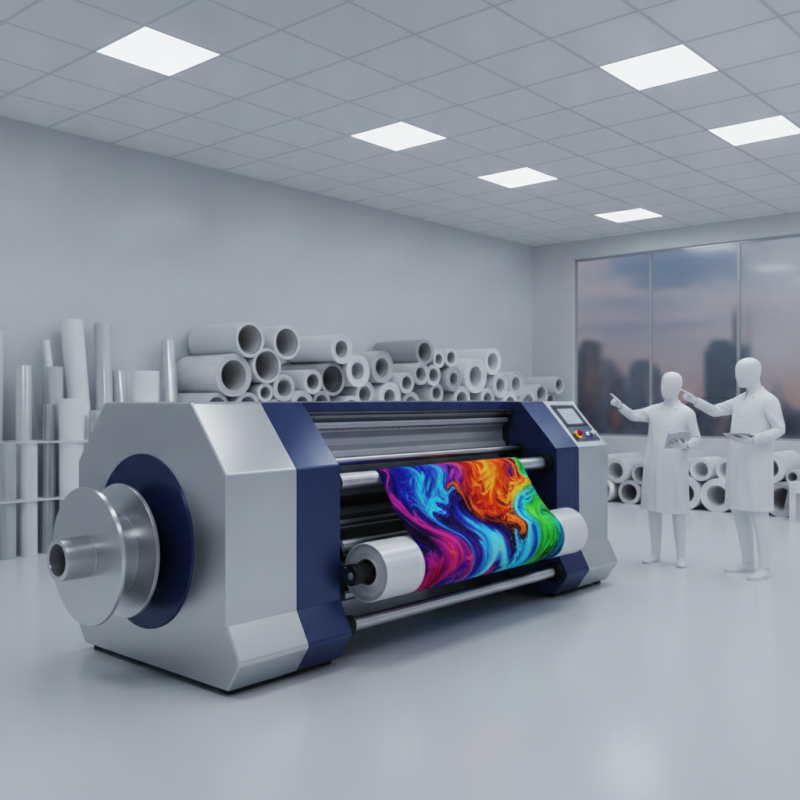
Key Features to Consider in Large Format UV Roll to Roll Printers
When choosing large format UV roll to roll printers, several key features play a crucial role in maximizing efficiency and output quality. The color accuracy and resolution are paramount. Many commercial-grade printers achieve resolutions exceeding 1200 dpi, ensuring vivid graphics that meet client demands. Research from Smithers Pira indicates that the market for large format printing is projected to grow at a CAGR of 4% through 2025. This highlights the necessity of investing in high-quality equipment.
A critical feature to consider is the speed of production. Printers boasting speeds around 200 square meters per hour can significantly enhance workflow. However, be mindful that faster is not always better. Maintaining print quality at high speeds can be challenging and might compromise end results.
Tip: Assess your typical job sizes and turnaround times before purchasing. Don't overlook the importance of ink types as well. Eco-solvent inks offer good outdoor durability while remaining eco-friendly.
Don't forget user interface and software compatibility. An intuitive interface can reduce training time for operators and minimize mistakes. Additionally, invest in reliable support services. troubleshooting can be daunting without expert assistance.
Tip: Research user experiences to understand potential pitfalls and challenges. The right printer can boost productivity, but it requires careful evaluation.
Top Brands and Models in the Market for Large Format UV Printing
When considering large format UV roll-to-roll printers, the market presents various top brands and models. These printers are known for their versatility and capability to print on numerous substrates. They excel in producing vibrant graphics and durable prints. Businesses benefit significantly from high-quality output, which can attract more clients.
While selecting a printer, pay attention to print speed and quality. Evaluate whether the printer supports the materials you need. Some printers work best with specific inks or media types. It's essential to understand these limitations before making a purchase.
Tip: Always read user reviews. They can offer insights into the real-world performances of the printers. Another helpful strategy is to seek expert opinions. Professionals in the field can highlight models that demonstrate reliability over time.
Remember that every model has pros and cons. What works for one business may not suit another. Take time to analyze your unique needs and budget. This reflection can help in choosing the right printer. Explore various options and compare features carefully. Making an informed decision now can lead to greater success in the long run.
Top Large Format UV Roll to Roll Printers Performance Comparison
Comparative Analysis of Print Quality and Speed in UV Roll to Roll Printers
When assessing UV roll-to-roll printers, print quality and speed are crucial metrics. Many industry reports highlight that print quality is often measured in DPI (dots per inch). High-end models typically offer resolutions of 1200 DPI or more. This level of detail ensures vibrant colors and sharp images, essential for professional applications. However, achieving such quality can sometimes slow down production speeds. Models with lower DPI settings may run faster but compromise on details.
Speed is another essential factor. According to the Smithers Pira report, high-performance UV roll-to-roll printers can reach speeds of up to 150 square meters per hour. Yet, this impressive speed often comes with trade-offs. Printers working at peak speed may not consistently maintain high-quality output. Operators may need to adjust settings to balance between speed and print consistency.
In practice, balancing print quality with speed is challenging. Some businesses may prioritize rapid turnarounds. Yet, the customer demand for high-quality prints can conflict with these goals. Operators must regularly evaluate their processes and outcomes. Finding the right machine involves considering both needs, analyzing production demands, and understanding equipment capabilities.
Top Large Format UV Roll to Roll Printers for Your Business
| Model | Print Quality (DPI) | Print Speed (m²/hr) | Width (inches) | Material Compatibility |
| Model A | 1200 | 60 | 64 | Vinyl, Fabric, Canvas |
| Model B | 1400 | 80 | 72 | Paper, PVC, Vinyl |
| Model C | 1600 | 50 | 60 | Textiles, Canvas, Wallpaper |
| Model D | 1500 | 65 | 84 | Cardboard, Foam Board, Film |
Cost Considerations: Budgeting for Your Large Format Printer Purchase
When budgeting for a large format UV roll-to-roll printer, consider initial costs and ongoing expenses. The price tag can vary widely based on features. Budget printers often lack advanced capabilities, which might impact your output quality. It's essential to balance cost and performance.
Don’t forget about maintenance costs. Repairs and replacements can add up over time. Factor in the price of inks and other materials as well. These costs can differ significantly between printers. A cheaper printer may require more frequent ink replacements, affecting your overall budget.
Lastly, consider your specific needs. How often will the printer be used? Will it handle high-volume jobs? Investing in a quality machine may save money in the long run. However, evaluate your workflow thoroughly. Identifying your requirements helps make informed decisions. It is wise to reflect on each option carefully, balancing your expectations with practicalities.
Maintenance and Support for Large Format UV Printers in Your Business
When it comes to large format UV printers, maintenance is essential. Regular upkeep ensures that these machines operate at peak performance. This includes routine cleaning of print heads and ink lines. Neglecting this can lead to poor print quality and increased downtime. Even with the best equipment, improper care can result in costly repairs.
Support is equally important. Having a knowledgeable technician available can make a significant difference. It helps resolve issues quickly and minimizes disruption in production. Regular training on the printer’s operation is beneficial too. Your team needs to understand both the strengths and limitations of the printer. This understanding can optimize print outputs and enhance efficiency.
Overlooking maintenance schedules often leads to bigger problems. Users might find themselves dealing with unexpected failures. Inconsistent print quality can frustrate clients and damage a business's reputation. It's crucial to create a comprehensive plan that includes regular assessments and updates. Fostering a culture of care around your equipment will ultimately pay off in the long run.


 House of Worship
 Transportation
 Trade shows led display
 retail
 Creative Led Solutions
 Hospitality
 Higher Education
 Corporate LED


