10 Tips for Choosing the Best LED Wall Panels for Your Space?
When considering LED wall panels, the choices can be overwhelming. The global LED market is projected to reach $100 billion by 2027, illustrating the growth in this technology. LED wall panels serve various purposes, from entertainment to advertising and even interior design. Their versatility makes them appealing for different environments.
Choosing the right LED wall panels requires understanding specific needs. Not all panels are created equal. Some may offer vibrant colors and high resolution, while others might lack essential features. A recent industry report indicated that over 70% of consumers prioritize brightness and energy efficiency in LED wall panels. Functionality must align with your space to ensure a satisfying outcome.
Mistakes can be costly. Opting for the wrong size or resolution can lead to disappointment. It's vital to reflect on your goals and the intended use of the panels. Each panel should enhance your space while meeting practical requirements. With thoughtful consideration, selecting the best LED wall panels can transform any area into a visual masterpiece.

Understanding Your Space Requirements for LED Wall Panels
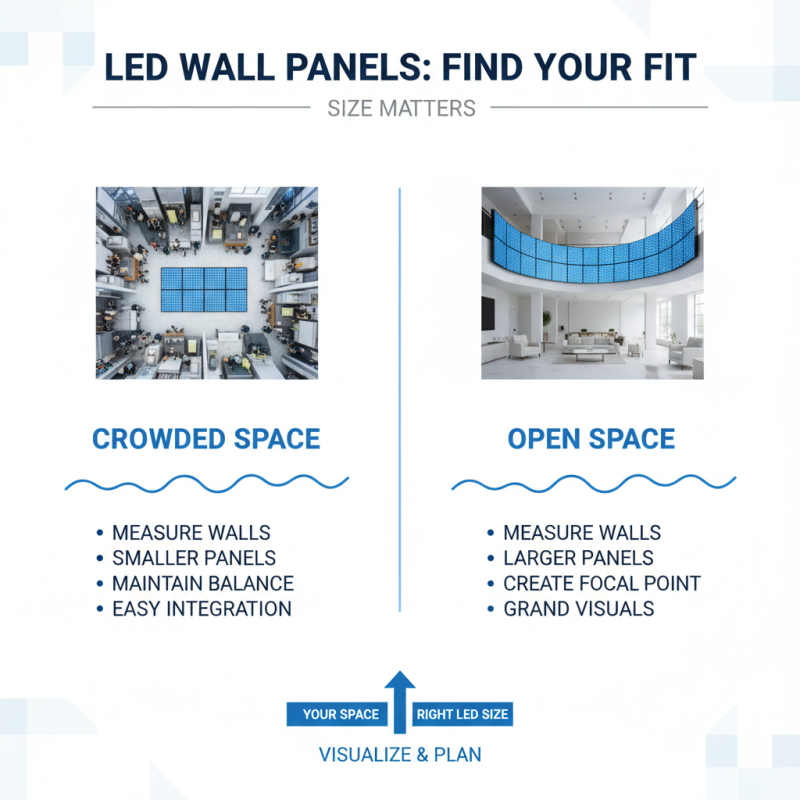
When selecting LED wall panels, understanding your space is crucial. Begin by measuring your wall dimensions. A crowded area may require smaller panels to maintain balance. If the room is open and airy, larger panels can create a focal point.
Think about the lighting in your space. Natural light can affect how the colors of the LED panels appear. Panels that are too bright may overwhelm the room. Alternatively, softer panels can enhance a cozy atmosphere. Test different brightness levels to find what works.
Consider your wall's location. Different wall materials may support different types of panels. Think about the purpose as well. If it’s for a meeting room, focus on panels that enhance visibility. A lounge space might benefit from mood lighting. Take your time to visualize how different options can fit your needs. Be ready to change your mind if something doesn't feel right.
Evaluating Brightness and Color Temperature for Your Needs
Brightness and color temperature are crucial when selecting LED wall panels. Brightness is measured in lumens. It's essential to consider the lumen output based on the space's size. Reports indicate that most commercial spaces require a minimum of 300 to 500 lumens per square meter. This ensures adequate visibility without causing eye strain. However, the required brightness can vary. Rooms with natural light may need less illumination, while darker spaces require more.
Color temperature, measured in Kelvin (K), affects the mood and functionality of the space. A temperature of 2700K to 3000K creates a warm atmosphere, ideal for relaxed settings. In contrast, a cooler temperature of 4000K to 5000K promotes alertness and is perfect for work environments. According to lighting studies, spaces with inappropriate color temperatures can lead to discomfort and reduced productivity. Many users wish to achieve a balance, which often requires experimentation with different settings.
Choosing the right brightness and color temperature isn't straightforward. What works for one person may not suit another. Some prefer cooler, brighter light for concentration. Others find warmer tones calming. Users should take time to assess personal preferences and space needs. Testing various settings before making a decision is vital for creating an optimal environment.
10 Tips for Choosing the Best LED Wall Panels for Your Space
| Aspect |
Recommendation |
Importance Level |
| Brightness |
Choose panels with adjustable brightness levels for varying environments. |
High |
| Color Temperature |
Consider a color temperature range of 3000K to 6500K based on usage. |
Medium |
| Size |
Select sizes that fit your wall dimensions, ensuring proper fit. |
High |
| Installation Type |
Opt for easy-to-install options such as plug-and-play or modular panels. |
Medium |
| Energy Efficiency |
Look for panels with high energy efficiency ratings to reduce costs. |
High |
| Lifespan |
Choose LED panels with a lifespan of at least 50,000 hours. |
High |
| Color Rendering Index (CRI) |
Select panels with a CRI of 80 or above for better color accuracy. |
High |
| Control Options |
Look for panels compatible with smart lighting systems. |
Medium |
| Warranty |
Choose panels that come with a minimum 3-year warranty. |
Medium |
| Price |
Compare prices based on features to find the best value. |
Low |
Considering Energy Efficiency and Lifespan of LED Panels
When selecting LED wall panels, energy efficiency and lifespan are crucial factors. LED panels consume less power compared to traditional lighting. This not only reduces your electricity bills but also lowers environmental impact. A high-efficiency panel can have a significant effect over time. As energy costs rise, this becomes increasingly important.
Consider the lifespan of the panels you choose. Most LED panels can last up to 50,000 hours. This longevity means less frequent replacements. However, not all panels are created equal. Some may dim faster than others, which can be disappointing. It's wise to choose panels that offer consistent brightness throughout their lifespan.
Additionally, think about the light quality. Some LED panels produce harsh lighting that can affect mood and productivity. Research suggests softer, warmer tones can be more pleasant. It’s essential to find a balance that suits your space. Remember, every choice impacts energy consumption and overall aesthetics. Don't overlook the importance of quality in your selection process.
Energy Efficiency and Lifespan of LED Wall Panels
Exploring Different Types and Styles of LED Wall Panels
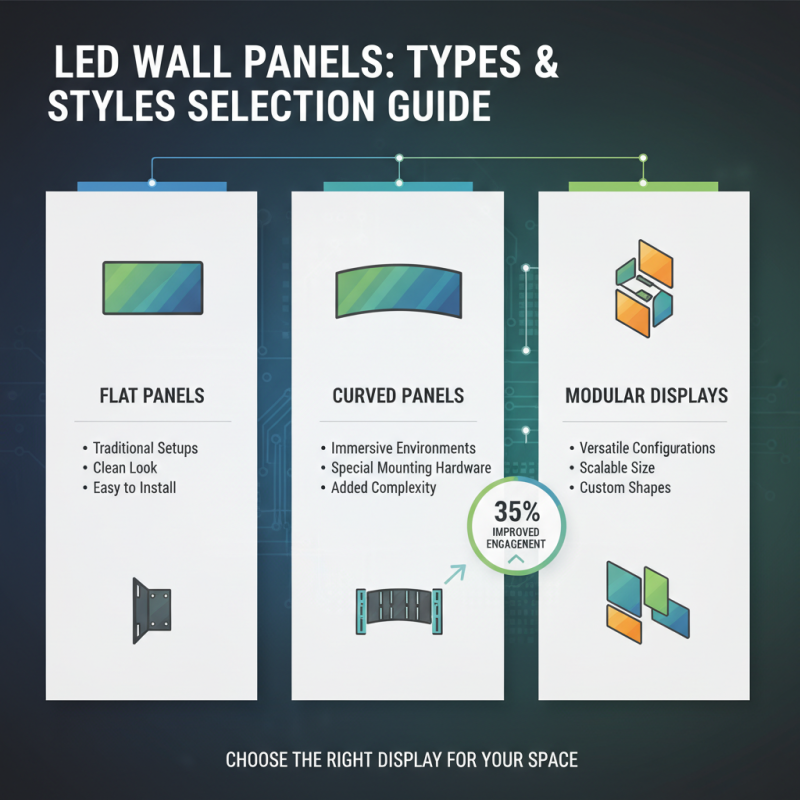
When selecting LED wall panels, understanding the various types and styles is crucial. Several popular options exist, including flat panels, curved panels, and modular displays. Flat panels are great for traditional setups. They offer a clean look and are easy to install. Curved panels, however, can create immersive environments. They often require special mounting hardware, adding complexity to your setup. Data indicates that 35% of businesses report improved engagement levels with curved displays.
Modular displays are another fascinating style. They consist of multiple smaller panels that can be arranged in different configurations. This flexibility allows for unique designs that fit various spaces. A recent industry report noted that 40% of organizations prefer modular systems because of their adaptability. However, ensuring compatibility between components can be challenging. Always check specifications before purchase.
Color quality also varies significantly across different LED types. Some panels may exhibit color distortion from certain angles. Be mindful of viewing angles when choosing your panels. Moreover, the brightness and clarity of the display should align with your specific needs. A study suggested that displays with higher brightness levels resulted in a 20% increase in audience attention. These elements require careful consideration when selecting the right LED wall panels for your space.
Budgeting for Quality: Price vs. Performance Considerations
When choosing LED wall panels, budgeting is key. It's tempting to go for the lowest price. However, this often leads to compromises on quality. Low-cost options may have lower brightness or poor color accuracy. This can disappoint in a presentation or design setting.
Consider your specific needs. What will the panels be used for? Commercial spaces may require high-performance displays. Meanwhile, home setups might prioritize aesthetics over power. It's crucial to assess the long-term benefits of quality versus initial cost. Spending a bit more can yield better longevity and satisfaction.
Don't forget about energy efficiency. A higher upfront investment may lead to savings on electricity bills. Look at ratings and reviews. Sometimes, panels that seem pricey are well worth it. Also, be mindful of warranty options. A short-term guarantee can indicate lower durability. Reflect on these aspects while making your decision. Your space deserves the right choice.


 House of Worship
 Transportation
 Trade shows led display
 retail
 Creative Led Solutions
 Hospitality
 Higher Education
 Corporate LED