What is Waterproof Downlight and How to Choose the Best?
In the lighting industry, the term "Waterproof Downlight" has gained significant attention. Experts agree on its importance for various settings, especially in wet areas. Dr. Emily Clarke, a renowned specialist in lighting technology, states, "Choosing the right Waterproof Downlight not only enhances ambiance but ensures safety in moisture-prone spaces."
Selecting the best Waterproof Downlight can be overwhelming. There are numerous options available, each differing in features and specifications. Understanding the unique requirements of your space is crucial. Factors such as IP ratings, lumen output, and temperature can significantly influence your choice. Maintaining quality is vital as poor selections can lead to safety hazards.
While many consumers prioritize style, functionality should not be overlooked. Aesthetic appeal does not replace the need for effective waterproofing. Often, people make mistakes by focusing too heavily on design while neglecting performance features. Balancing both aspects is essential for achieving optimal results in lighting applications.
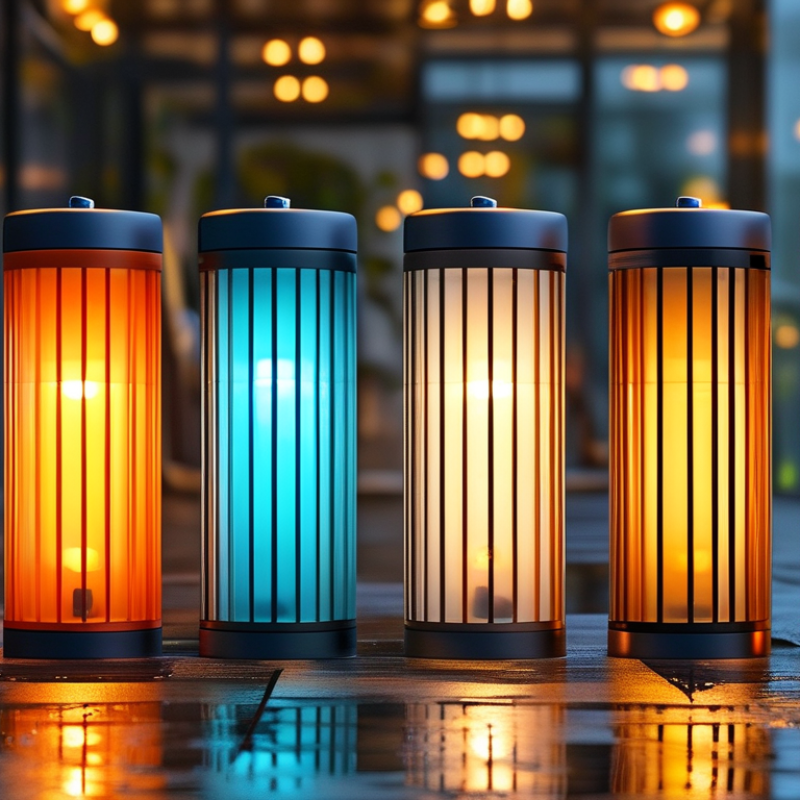
What is a Waterproof Downlight and Its Importance in Lighting?
Waterproof downlights play a crucial role in modern lighting solutions. They are specially designed to withstand moisture and high humidity, making them ideal for bathrooms, kitchens, and outdoor spaces. According to a report by Market Research Future, the global demand for waterproof lighting solutions is projected to grow by 7% annually, highlighting their increasing significance in residential and commercial installations.
These downlights offer safety and longevity. They reduce the risks of electrical failures due to water exposure. For instance, many waterproof models meet or exceed IP65 ratings, ensuring protection against dust and low-pressure water jets. This is critical for maintaining lighting quality and performance over time. However, not all waterproof downlights are created equal. Many consumers struggle to understand the differences in specifications and features available, often leading to misguided purchases.
Choosing the best waterproof downlight requires careful consideration. Look for features like energy efficiency and ease of installation. Check for certifications that ensure quality and safety standards. Each installation site may have unique requirements, which adds complexity. Decisions based on aesthetics alone can lead to future regrets. Recognizing the balance between function and design is essential for achieving optimal results in any lighting project.
Key Features of Waterproof Downlights to Consider Before Purchasing
When considering waterproof downlights, several key features are essential to ensure you make the right choice. Look for an IP rating; this indicates the fixture's level of water and dust protection. A rating of IP65 means it is fully protected against water jets, making it suitable for wet areas. It’s crucial to assess where you plan to install the lights. For outdoor use, a higher IP rating is preferable.
The brightness of the downlight also matters significantly. Measured in lumens, this will determine how well the area is illuminated. A waterproof downlight should provide sufficient brightness without being overly harsh. Additionally, the beam angle should be considered. A wider beam angle can cover more area, while a narrower angle focuses light on a specific spot. Reflect on how you want to use the light, as this will influence your choices.
Finally, think about the installation process. Some waterproof downlights require professional help, while others are DIY-friendly. Checking user reviews can shed light on common installation issues. Taking time to read feedback can reveal potential challenges you might face. Not every product will meet your expectations; knowing this can help shape a more informed decision.
Different Types of Waterproof Downlights for Various Environments
Waterproof downlights are essential for various environments, especially those exposed to moisture or humidity. These fixtures help enhance visibility and ambiance while ensuring durability. Different types cater to specific settings, from outdoor patios to bathrooms.
LED waterproof downlights are a popular choice for their energy efficiency and long lifespan. They come in different wattages and styles, making them versatile for both residential and commercial use. In contrast, fluorescent waterproof downlights provide softer lighting. They are often used in kitchens or workshops where bright illumination is needed.
Consider the IP rating when selecting waterproof downlights. An IP65 rating indicates complete protection against dust and low-pressure water jets, suitable for outdoor areas. However, a lower rating may suffice for indoor use. Reflecting on your needs is crucial. Many overlook the aesthetic impact of these downlights. Their designs should complement your overall decor, adding functionality and style.
How to Properly Install and Maintain Waterproof Downlights
Installing waterproof downlights requires careful attention to detail. Begin by choosing a suitable location. Ensure the area is well-measured and free from obstructions. Use a power drill to create the right-sized hole. Always verify local electrical codes. This step is crucial for safety and compliance.
Next, connect the wiring. Use waterproof connectors to prevent moisture ingress. Make sure all connections are tight. Safety is key here; any loose wires can lead to short circuits. After wiring, gently insert the downlight into the hole. It should fit snugly. Check that it is level and secure.
Maintaining waterproof downlights involves regular inspections. Look for signs of wear or moisture accumulation. Clean the lens occasionally with a soft cloth. Avoid harsh chemicals that could damage the fixture. If you notice any issues, consider consulting a professional. Regular maintenance ensures their longevity and performance.
Waterproof Downlight Selection and Performance Comparison
Tips for Choosing the Best Waterproof Downlight for Your Needs
When selecting a waterproof downlight, consider the environment where it will be installed. Areas with high humidity, like bathrooms or outdoor spaces, require specific designs. Look for the IP rating, which indicates water resistance. An IP65 rating is ideal for wet areas. Keep in mind the luminosity as well. Too bright may cause discomfort, while too dim can be ineffective.
Think about installation and maintenance. Some downlights are easier to install than others. Choose a model that fits well with your existing fixtures. Regular cleaning and inspections help maintain performance, but this can be overlooked. Pay attention to the materials used in construction. Corrosion-resistant materials enhance durability.
Lastly, evaluate energy efficiency. LED options often consume less power, reducing long-term costs. Yet, they might have higher upfront prices. Weigh these factors carefully. Finding the right balance can be challenging. The perfect fit may vary based on preferences and specific requirements.
What is Waterproof Downlight and How to Choose the Best? - Tips for Choosing the Best Waterproof Downlight for Your Needs
| Feature | Description | Rating |
| Waterproof Rating | IP65 or higher recommended for wet areas | ★★★★☆ |
| Lumens | Choose based on space: 600-800 lumens for average rooms | ★★★☆☆ |
| Color Temperature | Warm white (3000K) for cozy spaces, cool white (4000K) for task areas | ★★★★★ |
| Energy Efficiency | LED options provide longer life and lower energy consumption | ★★★★★ |
| Installation Type | Recessed, surface-mounted, or track lighting depending on ceiling type | ★★★☆☆ |


 House of Worship
 Transportation
 Trade shows led display
 retail
 Creative Led Solutions
 Hospitality
 Higher Education
 Corporate LED


