Why Choose LED Screen Hire for Your Event?

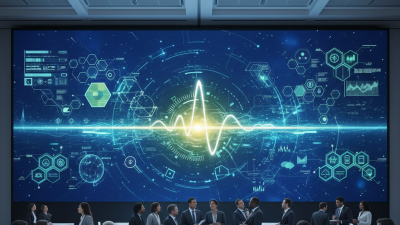
Choosing led screen hire can transform an ordinary event space into a vivid, responsive environment. A bright screen can display speaker presentations, sponsor messages, live camera feeds, or carefully designed animations. Guests at the back of a conference room can follow every chart. Outdoor audiences can see performers clearly, even when the stage feels distant.

Professional suppliers bring more than equipment. They assess viewing distance, venue size, ambient light, power access, and installation requirements before recommending a screen. An experienced technician can adjust brightness, test signal connections, and monitor the display during the event. That preparation reduces distracting blackouts and poorly scaled content. It also supports a safer, more organised production process.

The visual impact is immediate.

However, screen hire is not automatically the best choice for every occasion. A small networking breakfast may need only a modest display, while a large festival might require weather-resistant panels and backup systems. Content quality matters just as much as screen resolution. A brilliant screen cannot repair confusing slides or weak video production. This is where honest planning becomes important. Ask about delivery times, technical support, replacement options, viewing angles, and total costs. Some suppliers may promise impressive results without explaining practical limits. A dependable provider will discuss those limits clearly.

With the right planning, led screen hire can improve communication, reinforce branding, and make key moments easier to remember. The goal is not simply to create a larger picture. It is to make the audience feel included, informed, and connected to the event.

Why Choose LED Screen Hire for Your Event?

What LED Screen Hire Means for Event Production

Why Choose LED Screen Hire for Your Event?

LED screen hire means renting a complete visual communication system, not simply placing a large display on stage. Production teams select panels, processors, rigging, playback, and technicians for one venue and schedule. This reduces storage needs and allows screen size to match the room, audience distance, and camera plan.

A bright entrance wall can welcome guests, while a fine-pitch stage screen keeps speaker details sharp.

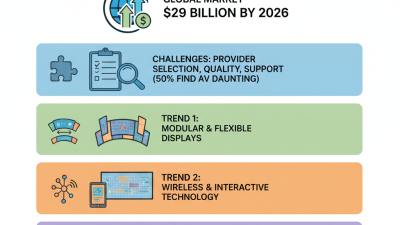
The market supports this practical shift. Grand View Research reported that the global LED display market was valued at about USD 7.1 billion in 2023.

It also forecasts an 8.6% compound annual growth rate from 2024 to 2030. These figures reflect wider adoption across events, retail, broadcasting, and corporate spaces.

Still, growth does not guarantee a good show.

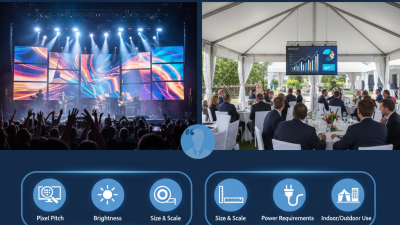
Technical judgment matters. A production team must check pixel pitch, viewing distance, refresh rate, brightness, power distribution, and backup playback.

Poor calibration can make skin tones look harsh on camera. Excessive brightness may distract guests in a dark ballroom. The wrong screen can waste money.

Hire can also improve operational flexibility. A temporary setup can change between a conference, concert, or exhibition without purchasing permanent equipment.

Event planners should request measured brightness data, load calculations, and a clear replacement plan. The planning may feel overly cautious. It is not.

A missing spare module or late rigging approval can affect the entire program.
How LED Screens Adapt to Different Event Formats

Why Choose LED Screen Hire for Your Event?

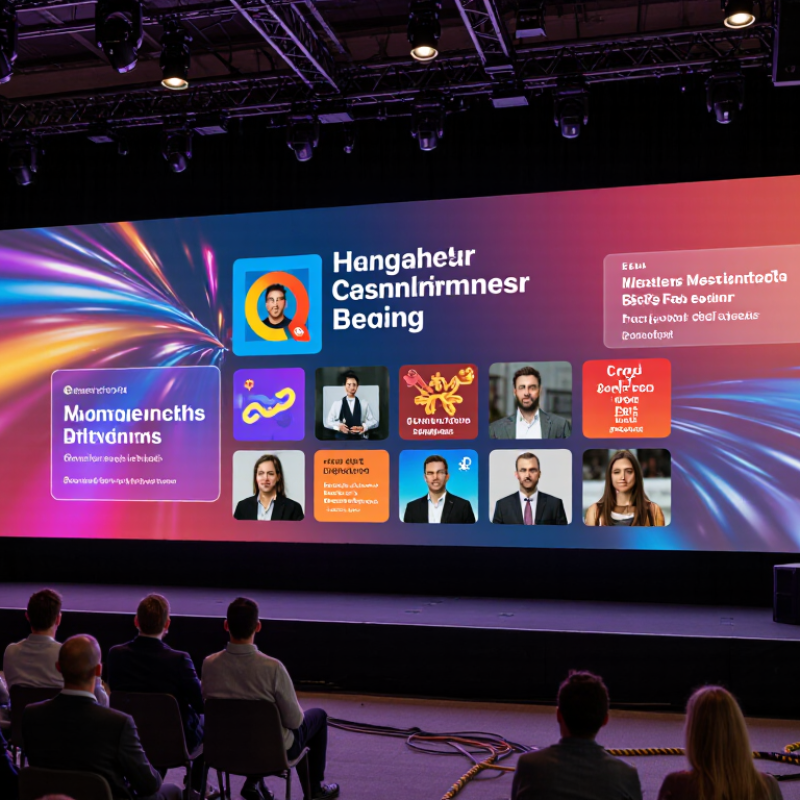
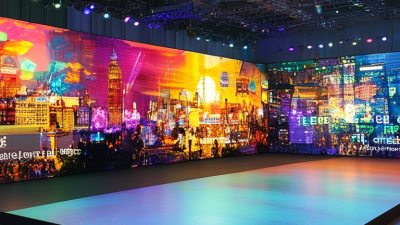
LED screens adapt well because event formats rarely stay fixed. A conference may need crisp slides, speaker close-ups, and remote guest windows. A product launch might require bright motion graphics across a wide stage. In practice, rental teams can adjust screen size, pixel pitch, and brightness to match the venue. A small indoor room needs softer light. Outdoor stages need stronger visibility.

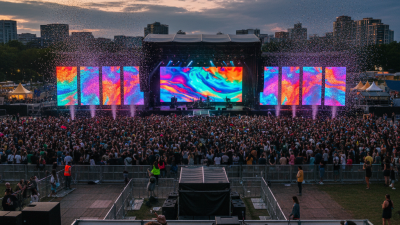
Different layouts also change the viewing experience. A panel discussion may use one central screen behind the speakers. A festival can use several screens for audiences standing far from the stage. Curved or modular panels can follow unusual stage designs. This flexibility helps create consistent visuals without rebuilding the entire set. It also supports live feeds, schedules, subtitles, and changing content during the event.

Planning still matters. I have seen attractive screens placed too high, leaving front-row viewers with an awkward angle. That mistake is easy to overlook during rehearsals. Viewing distance, camera position, power access, and ambient light should be tested on site. Content must also fit the screen shape, or faces and text may appear stretched. LED screen hire offers technical support and adaptable equipment, but it cannot replace careful preparation. Small details matter.

Key Benefits of Hiring LED Screens for Audience Engagement

Why Choose LED Screen Hire for Your Event?

Key Benefits of Hiring LED Screens for Audience Engagement

An LED screen can turn a distant stage into a shared visual space. Guests at the back can follow speakers, performers, and live demonstrations clearly. This matters when a venue holds several hundred people. Small details should not disappear.

Event teams can display schedules, speaker names, animations, and real-time updates without interrupting the programme. Motion also captures attention faster than a static banner. A well-timed visual can support a product demonstration or guide guests toward an activity. Keep the message simple. Crowded screens quickly lose their impact.

Hiring provides practical support before and during the event. Technicians can assess viewing distance, screen size, brightness, refresh rate, and room lighting. They can also test playback formats and backup connections. At an indoor event, excessive brightness may cause eye strain. A darker image may work better. This is easy to overlook.

Audience engagement improves when content feels relevant and changes naturally.

A live question feed can invite participation. Event photography can make guests feel included. Subtitles help people follow spoken content in noisy rooms. Not every visual needs motion. Sometimes, a clear name or instruction works best. The screen should support the experience, not compete with it.

How to Select the Right LED Screen for Your Event

Why Choose LED Screen Hire for Your Event?

Selecting the right LED screen starts with the audience, not the equipment. Measure the distance from the screen to the farthest viewer. A fine pixel pitch suits close seating, while a wider pitch can work from a greater distance. I have seen clients overspend on ultra-fine screens when guests stood more than twenty metres away.

Consider the venue carefully. Indoor halls usually need lower brightness, while outdoor screens require stronger output and weather protection. Check the screen’s brightness, refresh rate, viewing angle, and resolution. A high refresh rate helps cameras capture cleaner images during speeches and performances. The screen must also match the content. Small text can disappear on a screen that looks impressive from the front.

Size matters, but bigger is not always better. Leave clear space around the stage, entrances, and safety routes. Ask the hire team for structural documents, power requirements, setup details, and backup procedures. Qualified technicians should inspect rigging points and test the screen before guests arrive. Do not rely on appearance alone.

Test the content early.

Play your actual videos, slides, and live camera feeds. Check skin tones, subtitles, and dark scenes. I once underestimated cable length, causing an avoidable delay. That mistake reinforced one lesson: confirm every measurement on site. A reliable supplier should explain limitations honestly, not promise perfect results without seeing your venue.

What to Consider in Setup, Operation, and Safety

A hired LED screen can make a keynote visible from the back row, but only if its size, position, and brightness suit the room. Ask for a site survey before confirming the layout. Check door widths, floor loading, viewing distance, ambient light, and available power. A bright screen near a window may look washed out; in a dark room, the same setting can feel harsh. Request a test image and check text readability from several seats. Small details matter.

Operation needs a named technician, a tested signal path, and a fallback plan for playback or power faults. Confirm who controls content, when the screen can be adjusted, and how cables will be covered. Safety deserves equal attention. The U.S. Bureau of Labor Statistics reported 395 fatal falls among construction workers in 2022, within its Census of Fatal Occupational Injuries. That figure is not event-specific, but it underlines why elevated work and temporary structures need competent planning. Ask for documented equipment checks, secure rigging, clear exits, and a stop-work procedure if conditions change. Even experienced crews can miss a detail. A final walk-through, with the screen on and cables in place, can reveal glare, blocked sightlines, or a loose cover.

Need Help?
X

Ready to Talk?

Our team is ready to connect.