Why Choose Iron Pendant Light for Global Buyers?

Why Choose Iron Pendant Light for Global Buyers?

The global decorative lighting market is expanding, but reports rarely isolate iron pendant products. Grand View Research valued the global decorative lighting market at approximately USD 15 billion in 2023. It also projects steady growth through 2030. These figures suggest wider demand for expressive, residential lighting. They do not guarantee every design will succeed.

Lighting designer Randall Whitehead often states, “Lighting is the jewelry of architecture.” His view explains the appeal of an Iron Pendant Light. It can become a visible focal point above a dining table, kitchen island, or hotel reception desk. Its dark frame creates contrast against pale walls. Its metal surface can also show useful character, including brushed texture, small weld marks, or a hand-finished patina.

Performance matters as much as appearance. The International Energy Agency reports that lighting represents a significant share of global electricity use, while LED technology continues improving efficiency. Therefore, buyers should check socket compatibility, LED options, heat management, and replacement access. These details affect long-term value. They also reduce unpleasant surprises during installation.

Global buyers need more than attractive photographs. They need stable dimensions, protective export packaging, clear installation instructions, and dependable supplier communication. Iron can feel substantial. That is both its strength and its weakness. Heavy fixtures may require stronger ceiling support and higher shipping costs. Some finishes may age unevenly in humid environments. A careful buyer should request material specifications, finish samples, certifications, and installation guidance before ordering. The choice is not automatically correct. It becomes credible when design, safety, durability, and supply reliability are evaluated together.

Why Choose Iron Pendant Light for Global Buyers?

What Is an Iron Pendant Light?

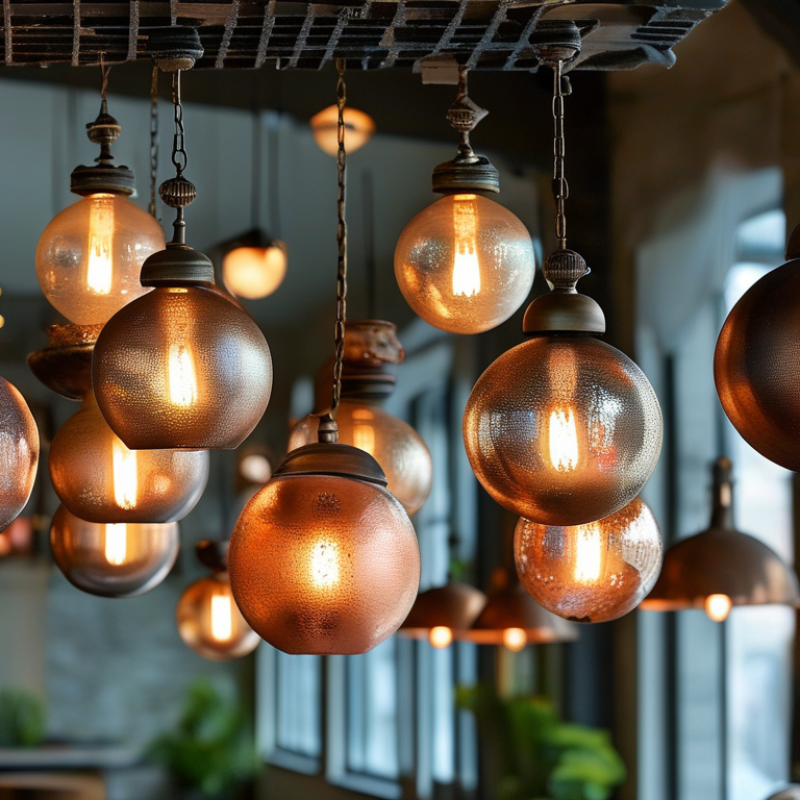
An iron pendant light is a ceiling-suspended fixture with an iron shade, frame, or both. It usually hangs from a cord, chain, or metal rod. The shade directs light downward, making it useful above dining tables, kitchen islands, counters, and reading corners. Iron gives the fixture visual weight and a solid, architectural character. Many products use steel alloys rather than pure iron, with welded joints and powder-coated finishes. Surface texture may vary slightly. That variation is not always a defect.

For global buyers, the bulb and electrical system deserve equal attention. The U.S. Department of Energy reports that LED bulbs use at least 75% less energy and last up to 25 times longer than incandescent bulbs. The fixture does not create that saving alone; the selected light source does. UNEP’s 2023 Global Status Report for Buildings and Construction states that buildings consumed about 34% of global energy in 2022. Efficient lighting supports better operational choices, but it cannot fix poor installation or unsuitable beam direction. Check voltage, socket type, cable length, heat resistance, and local certification requirements before ordering.

Tips: Measure the ceiling height first. Keep the lowest point safely above head level. Ask for finish samples when color consistency matters. Inspect welds, canopy thickness, and mounting hardware. A dark iron shade can create dramatic shadows, yet it may feel too heavy in a small room. That is where my own preference sometimes fails: visual strength is not the same as practical comfort.

Why Choose Iron Pendant Light for Global Buyers? - What Is an Iron Pendant Light?
Data Dimension Typical Information Practical Value for Global Buyers
Product Definition A pendant light is a ceiling-mounted fixture suspended by a cord, chain, rod, or adjustable stem. An iron pendant light uses iron or steel as its main structural or decorative material. Its suspended design directs light downward and creates a clear visual focal point above dining tables, kitchen islands, counters, reception desks, and work areas.
Common Material Powder-coated or painted steel is commonly used for the shade and frame; some designs combine iron with glass, wood, fabric, or aluminum components. Metal construction provides a firm structure and supports a wide range of finishes, colors, shapes, and decorative styles.
Typical Shade Forms Bell, dome, cone, cylinder, cage, geometric, and multi-light linear forms are widely used. Different shade geometries help buyers match the fixture to residential, hospitality, retail, office, and restaurant interiors.
Typical Fixture Diameter Approximately 150–600 mm for many single-light pendants; larger multi-light fixtures can exceed this range. The suitable size depends on ceiling height, room scale, table width, and the number of fixtures installed together.
Adjustable Suspension Many models use an adjustable cable, chain, or stem. The supplied suspension length varies by product and market. Adjustability helps accommodate different ceiling heights and installation requirements in international projects.
Common Lamp Bases E26 and E27 screw bases are widely used; GU10, G9, and other bases are also available depending on the design. The lamp base should be selected according to the destination market, replacement-lamp availability, and local electrical standards.
Light Source Compatible products may use replaceable LED bulbs, compact fluorescent lamps, or integrated LED modules. The permitted source depends on the fixture design. Replaceable bulbs can simplify maintenance, while integrated LED models may offer a slimmer appearance and optimized light distribution.
Electrical Compatibility Products must be specified for the destination voltage and frequency, such as 120 V / 60 Hz or 220–240 V / 50 Hz. Actual compatibility must be verified from the product rating label. Checking voltage, frequency, wiring, plug or terminal requirements, and applicable approvals helps reduce installation and import risks.
Recommended Indoor Use Dining rooms, kitchens, bedrooms, living rooms, cafés, restaurants, hotel areas, retail spaces, and offices. Iron pendant lights are versatile for both decorative and task-lighting applications when the fixture is correctly positioned and rated.
Outdoor Suitability Indoor-rated pendants should not be installed outdoors. Outdoor use requires a model with an appropriate IP rating and corrosion-resistant construction. This distinction is important in humid, coastal, or exposed locations where moisture and corrosion can affect safety and service life.
Surface Finish Common finishes include matte black, white, bronze, brass-tone, brushed metal, and other painted or powder-coated surfaces. A broad finish selection supports different interior styles and enables coordinated lighting schemes without relying on a particular brand.
Durability Considerations Durability depends on steel thickness, welding or joining quality, coating adhesion, hardware quality, installation, and operating environment. Buyers should review material specifications, finish testing, load capacity, and assembly quality rather than judging durability by appearance alone.
Cleaning and Maintenance Use a soft, dry or slightly damp cloth after switching off and cooling the fixture. Avoid abrasive cleaners that may damage the finish. Simple maintenance helps preserve the coating and appearance while reducing long-term cleaning and replacement costs.
Installation Requirements Installation normally requires a suitable ceiling outlet box, secure mounting hardware, correct wiring, and a qualified electrician where required by local regulations. Proper installation is essential because the fixture is suspended overhead and must safely support its own weight and any moving components.
Key Buying Checks Confirm dimensions, net weight, suspension length, lamp base, maximum wattage, voltage, frequency, IP rating, mounting method, and included accessories. A complete specification review improves product selection, shipment planning, installation efficiency, and compliance with destination-market requirements.

Note: The specifications shown are typical product-planning ranges and characteristics for iron pendant lights. Exact dimensions, electrical ratings, certifications, IP ratings, and permitted lamp types vary by model and must be verified in the individual product documentation.

Key Features of Iron Pendant Light Construction

For global buyers, iron pendant lights offer a strong foundation for reliable construction. The material provides useful weight, rigidity, and a grounded appearance. A well-built frame starts with appropriately thick iron sheet or tubing. This supports long-term alignment and reduces unwanted movement. Look closely at the joints. Clean welds matter. They should appear even, solid, and free from sharp burrs. The canopy should sit flat against the ceiling. Its mounting plate must support the fixture without bending. A secure strain-relief fitting also protects the cable from pulling during installation.

Surface treatment matters in different climates. Powder coating can create a consistent finish and help protect iron from moisture. However, coating quality depends on proper cleaning and curing. Inspect hidden edges and welded areas carefully. These spots may receive less coverage. In humid rooms, corrosion-resistant hardware is a practical choice. Ask for material details and relevant safety test records before ordering. Electrical construction deserves equal attention. Internal wires should have suitable insulation and clear connections. The socket must match the intended bulb type and local electrical requirements. Always use a qualified electrician for installation. A small design flaw can become a maintenance problem. Iron is not flawless. It may feel heavy during delivery and installation. Yet thoughtful construction, accurate measurements, and honest product documentation make that weight manageable for international projects.

Why Global Buyers Choose Iron Pendant Lights

Global buyers choose iron pendant lights because they combine visual character with practical flexibility. A matte black shade can suit a compact café, while a brushed finish works in a coastal apartment. Iron also supports strong frames and controlled shapes, making it suitable for kitchens, dining rooms, hotels, and retail spaces.

The IEA’s Energy Efficiency 2023 report identifies LEDs as a major efficiency opportunity in buildings. Pairing an iron pendant with an LED source can reduce heat and operating demand compared with traditional incandescent lighting. The U.S. Department of Energy reports that LED bulbs use at least 75% less energy and last far longer than incandescent bulbs. This matters to international buyers managing long replacement cycles, shipping costs, and maintenance teams. It is a small fixture, but a repeated purchase can affect project budgets.

Durability is another reason. Properly finished iron can tolerate frequent handling and regular cleaning better than delicate decorative materials. Buyers can also select adjustable cords, standard lamp holders, and replaceable components for easier local servicing. The global decorative lighting market is projected to expand steadily, according to Grand View Research, reflecting continued demand for expressive residential and commercial interiors. Still, iron is not automatically perfect. Poor coatings may chip in humid climates, and heavy shades require careful ceiling support. Buyers should verify corrosion protection, electrical compatibility, load ratings, and installation guidance before ordering. Style attracts attention. Reliable specifications protect the investment.

Why Global Buyers Choose Iron Pendant Lights

Iron and steel offer a strong balance of structural stability, visual weight, and design flexibility for pendant lighting. The chart compares the typical density of common lighting materials. Higher density can contribute to a more substantial appearance, while steel remains lighter than copper and brass and is widely used for durable formed structures.

Reference values: typical material densities at room temperature. Actual values vary by alloy and manufacturing process.

Common Styles and Applications in International Markets

Iron pendant lights remain popular because they combine visual weight with practical durability. Common styles include dome, cage, linear, and minimalist bowl designs. Dome pendants direct light downward over dining tables and kitchen islands. Cage styles create stronger shadows, fitting restaurants, cafés, and industrial-style retail spaces. Linear iron fixtures work well above long counters, conference tables, and hospitality reception desks. The finish matters: matte black feels architectural, while bronze or aged metal appears warmer.

International buyers should match each style to its application, ceiling height, and maintenance routine. In coastal areas, powder-coated iron or treated steel can reduce surface corrosion. Indoor residential projects usually favor compact pendants with adjustable suspension cables. Hotels and restaurants often choose larger grouped fixtures for visual impact. The International Energy Agency reports that lighting uses about 15% of global electricity consumption, so efficient LED compatibility deserves attention during specification. That matters.

Installation experience also reveals less obvious issues. Heavy iron shades need secure ceiling support, especially in older buildings. Cable length, socket standards, voltage, and local certification must be checked before shipment. The 2024 Global Status Report for Buildings and Construction identifies buildings as responsible for about 32% of global energy use, reinforcing the value of efficient lighting choices. However, decorative lighting is not automatically sustainable. My own product comparisons show that thick finishes can increase weight, packaging volume, and transport emissions. Buyers should examine the complete life cycle, not only the attractive silhouette.

Buying Considerations for Iron Pendant Lights

Iron pendant lights suit global interiors because they combine structural strength with visual weight. Their value depends on more than appearance.

Check the iron grade, weld quality, coating thickness, and shade alignment.

A smooth powder coating helps resist scratches and humidity, but it is not automatically rust-proof. Coastal buyers need extra attention to salt exposure.

Small details matter.

According to the United Nations Environment Programme’s 2023 Global Status Report, buildings consumed about 30% of global final energy in 2022. The U.S. Department of Energy also reports that LED lamps use at least 75% less energy than incandescent lamps and can last up to 25 times longer.

Therefore, confirm LED compatibility, socket type, maximum wattage, lumen output, and color rendering index before ordering.

Warm light near 2700–3000K often suits dining areas, while 3500–4000K can support workspaces.

Too bright feels harsh.

Measure carefully. A pendant that looks elegant online may dominate a small room. Confirm fixture diameter, drop length, ceiling plate size, and adjustable cable range.

Global buyers should verify voltage, frequency, plug-free wiring requirements, and local safety conformity marks.

Packaging also deserves scrutiny. Ask for corner protection, moisture barriers, and drop-test evidence.

I once underestimated carton volume; freight costs changed the order’s economics. That mistake still matters.

Finish samples can also differ under warehouse lighting, so request physical samples when color consistency is critical.

Need Help?
X

Ready to Talk?

Our team is ready to connect.